How New Construction Works in Timnath
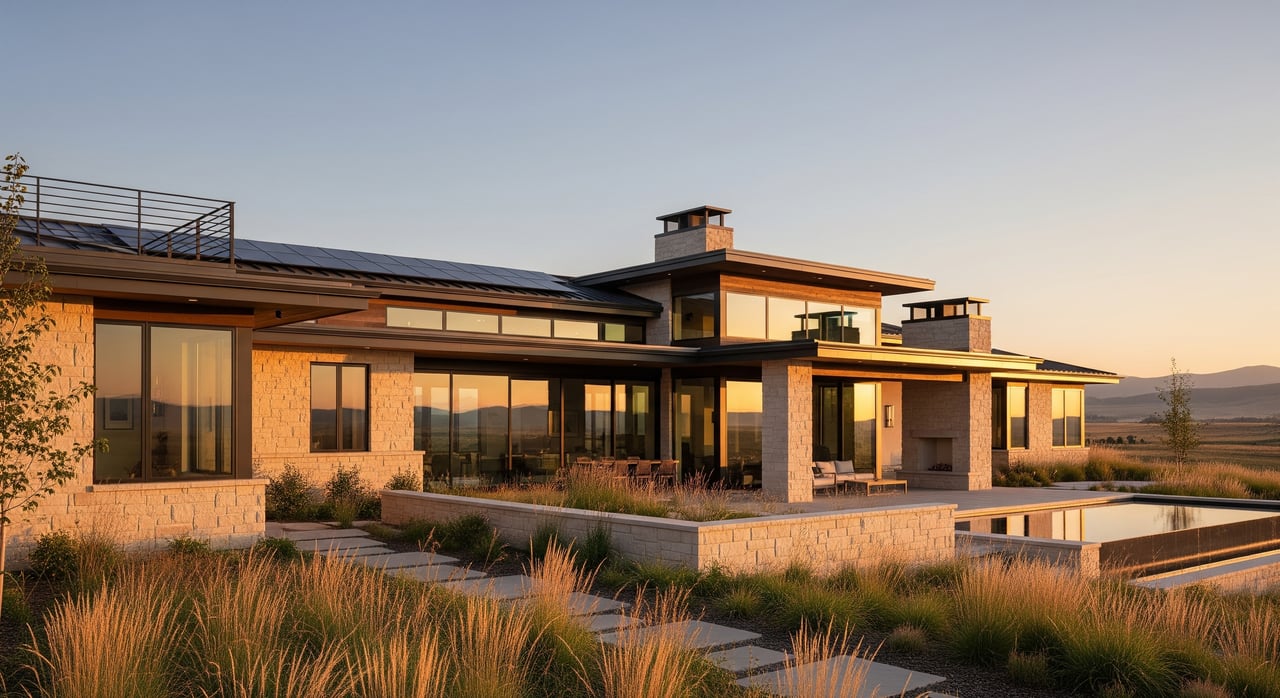
Thinking about a new build in Timnath but not sure where to start? You are not alone. Between builder contracts, design-center choices, and shifting timelines, the process can feel complex if you have only bought resale before. In this guide, you will learn how new construction in Timnath really works, what to expect at each stage, and how to protect your budget and timeline. Let’s dive in.
Timnath is growing fast, and that growth shapes how new homes get built and delivered. Local approvals, building permits, and utility hook-ups can influence both timing and costs. Review the Town of Timnath planning and building guidance for current rules and processes so you understand how permits and inspections fit your build schedule. You can also check Larimer County planning and property resources for recorded documents, plats, and development context.
Many Timnath neighborhoods include HOAs, architectural controls, and phased infrastructure. Early phases can mean ongoing construction around you and amenities that deliver later. School attendance boundaries and service connections may evolve as neighborhoods expand, so verify assignments and service timelines directly with local providers before you buy.
Builder purchase agreements work differently than the standard resale contracts you may know. In most cases, the builder writes the contract and sets the deposit schedule, selection rules, and change-order process. Contingencies for inspection, appraisal, or financing may be narrower than in resale, and timelines for decisions are often strict. Ask your agent to walk you through the exact terms before you sign.
If incentives tie to a preferred lender, ask for clear written terms. For general orientation on contracts and buyer protections, consult the Colorado Division of Real Estate buyer resources and the Colorado Association of REALTORS. If you have questions about consumer protections, the Colorado Attorney General’s consumer pages can also help.
Every builder and lot is different, but most Timnath builds follow a similar rhythm. Your timeline will depend on permitting, weather, supply chain, and whether the community’s roads and utilities are in place.
Weather in Northern Colorado can slow exterior work, and mid-build changes almost always add time. Ask the builder for a written milestone schedule and a single point of contact for updates. The Consumer Financial Protection Bureau offers helpful guidance on construction-related mortgages if your financing will span the build.
Selections are one of the biggest swings in budget and satisfaction. Most contracts include allowances for key categories like cabinets, countertops, flooring, and lighting. If your choices exceed the allowance, you pay the difference. Many builders also require a non-refundable design deposit when you finalize selections.
Packages can offer value, but they reduce customization. Watch for vague allowances that hide room-by-room limits, and make sure every selection is documented with the exact color and finish.
Builder warranties vary, but a common pattern looks like 1 year for workmanship and materials, 2 years for major systems, and 10 years for structural elements. The exact start date and coverage will be in your contract or warranty booklet. The National Association of Home Builders outlines how builders typically structure these warranties, but you should verify your builder’s version in writing.
Warranties usually exclude normal wear, homeowner maintenance, and minor settlement. Keep records of all issues and submit claims in writing according to the builder’s process. Many builders schedule a near one-year walkthrough. Plan a third-party inspection before that date so you have a clear punch list.
Even brand-new homes benefit from independent inspections. Builder walkthroughs focus on the builder’s scope, while a licensed inspector looks for workmanship, safety, and installation issues that can be easy to miss. Third-party reports also help you document warranty claims.
Choose inspectors with new-construction experience and strong credentials. You can search professional associations such as the American Society of Home Inspectors and InterNACHI to find qualified pros and understand typical reporting standards. Coordinate site access with the builder’s project manager and follow any safety rules.
Timnath communities like Harmony Club and WildWing often develop in phases, which can affect move-in experience and amenity timing. Early buyers may see active construction and growing landscaping for a while. HOA covenants can guide exterior choices, so confirm that your preferred siding, colors, or fencing align with the community’s architectural rules.
Inventory can include quick-move-in homes, nearly finished specs, and contract builds. If you are relocating on a tight timeline, inventory homes may be the most practical route. If you have flexibility and want layout changes, semi-custom options may fit better. Review the community website and builder sales office for plans, lot maps, HOA documents, and current incentives, and check recorded HOA documents through Larimer County if needed.
New construction gives you fresh systems, a builder warranty, and the chance to personalize finishes. It also introduces construction risk, potential delays, and upgrade decisions that can add cost. Resale offers immediate timelines and established neighborhoods, but without a builder warranty and with fewer customization options.
Here are a few decision points:
For market context and local builder practices, the Home Builders Association of Colorado can be a helpful reference alongside your agent’s experience.
If you want a clear, confident path to a Timnath new build, we can help you evaluate communities, navigate builder contracts, and coordinate inspections on your timeline. Our senior-led team brings local perspective and a process built for premium outcomes across Northern Colorado. Start a conversation with the McBartlett Team and move forward with clarity.
According to the Town of Timnath, local permitting shapes timelines. For broader guidance, see the Larimer County planning and property resources, the Colorado Division of Real Estate, the Colorado Association of REALTORS, the Consumer Financial Protection Bureau, the National Association of Home Builders, the American Society of Home Inspectors, InterNACHI, the Home Builders Association of Colorado, and the Colorado Attorney General.
Stay up to date on the latest real estate trends.

Northern Colorado
Northern Colorado & Denver Metro Area Market Report

Northern Colorado
Northern Colorado & Denver Metro Area Market Report

Home By Design
REWORKING A 1915 HOME IN CLASSIC—YET WARM—STYLE
We enjoy being able to provide the level of expert detail and understanding to our clients that we would expect as a client if we were working through the same process. Whether it be going through the home buying process or listing your home, we look forward to working with you soon!
Ready to start a conversation?

Fort Collins 242 Linden St, Suite 216, Fort Collins, CO 80524 Boulder 1470 Walnut St, Suite 201/202, Boulder, CO 80302 Denver 200 Columbine St, Suite 400, Denver, CO 80206