How To Compare Fort Collins Neighborhoods As A Homebuyer
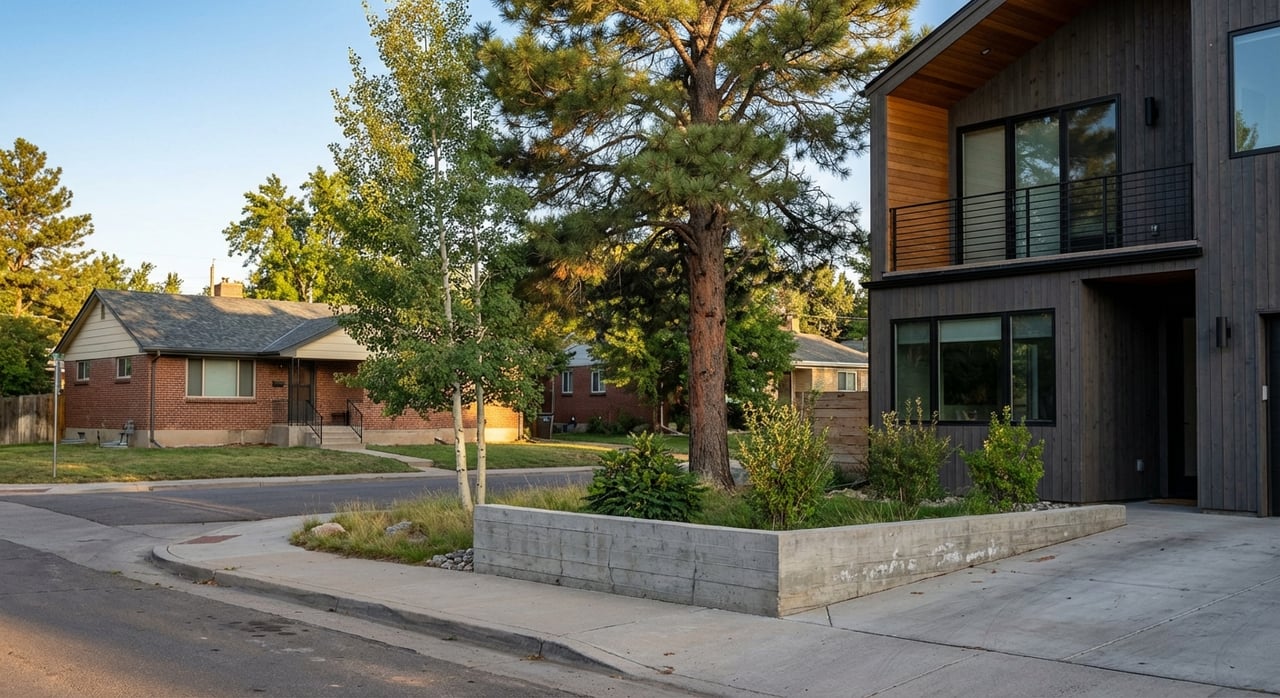
Trying to choose between Old Town charm, newer southeast communities, or foothill access near Horsetooth can feel like comparing apples to oranges. You want a home that fits your lifestyle, commute, and long-term plans without second-guessing later. This guide gives you a simple framework and a scorecard you can use to compare Fort Collins neighborhoods with confidence. You’ll see what to check, how to test it in real life, and how to weigh tradeoffs based on your priorities. Let’s dive in.
Before you tour, write down the three things that matter most. For many buyers, that looks like commute time, home type and lot size, and access to daily needs. Fort Collins has a mean travel time to work of about 19.5 minutes, according to the U.S. Census QuickFacts, so you can use 20–25 minutes as a baseline for a typical drive.
Set hard targets you can measure:
You’ll use these criteria to compare neighborhoods side by side.
Fort Collins is easier to compare when you group neighborhoods by lifestyle and location. Here is a practical way to think about it.
If you value a compact, walkable lifestyle, start here. Old Town’s historic streets and renovated buildings put you close to restaurants, breweries, retail, and events around Old Town Square. You’ll find older single-family homes, condos, and infill townhomes in a tight street grid.
Commute and mobility tend to be simple. You can often bike to work and use the MAX bus rapid transit along the Mason Corridor, with routes shown on Transfort’s schedules. Parking is tighter than in suburban areas, so plan for permits or paid lots if you have multiple cars.
Price points vary widely here. Smaller condos can be entry points into the area while restored historic homes and new infill can reach the upper tiers. Expect tradeoffs like limited storage and smaller yards in exchange for walkability.
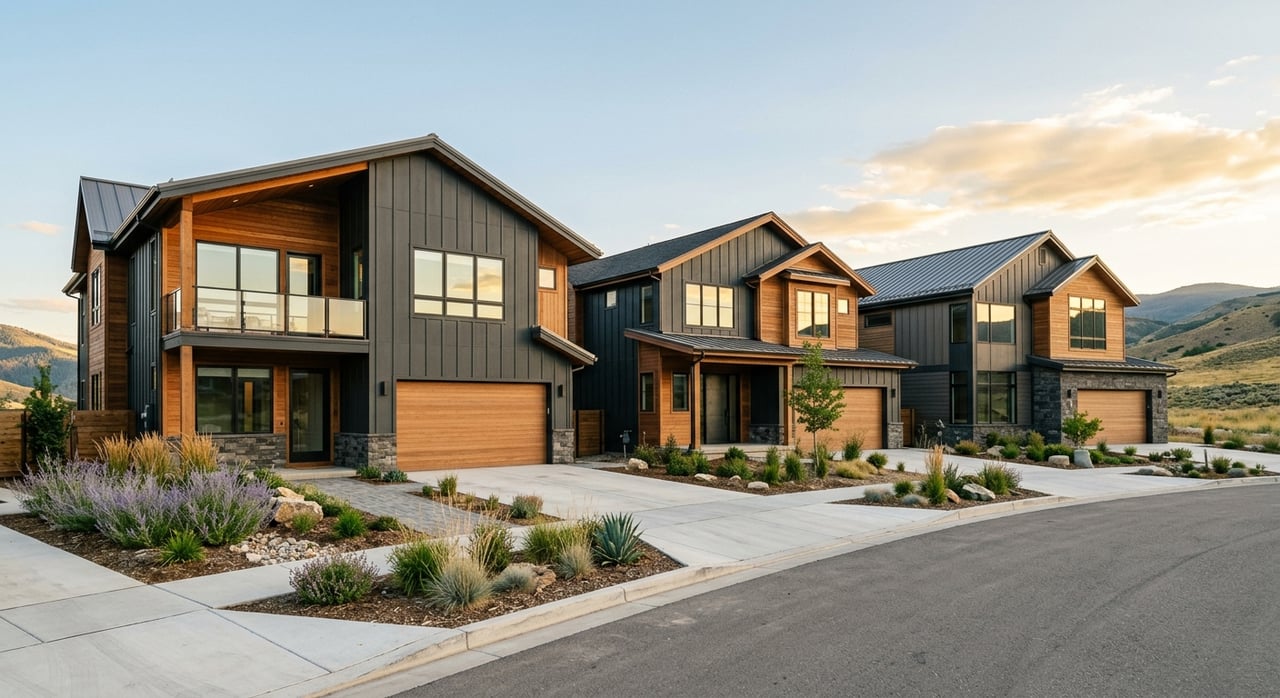
South and east Fort Collins feature master-planned neighborhoods and post-2000 subdivisions with modern floorplans and common HOA amenities. Southeast pockets near the Harmony corridor place you close to shopping and newer infrastructure. Think larger lots, attached garages, and more predictable construction vintages.
These areas are mostly car-first but still connect to Transfort and the South Transit Center. Commutes to Downtown or CSU are longer than Old Town, though arterial access is straightforward. Many buyers choose these neighborhoods for newer systems, flexible floorplans, and proximity to schools and parks.
If your weekends revolve around trailheads and the reservoir, west and southwest Fort Collins bring you close to Horsetooth Reservoir and Horsetooth Mountain Open Space. For a feel of the area’s recreation network, explore this overview of Horsetooth trails and open space context. Homes range from older properties to newer builds, with varied lot sizes and street patterns.
Lifestyle is the draw, but plan for different logistics. You may face wildfire exposure and will want a defensible-space plan. The Colorado State Forest Service CWPP resources explain how communities prepare for wildfire and best practices for mitigation. Insurance reviews can be more detailed, and some roads are steeper or narrower than central neighborhoods.
Midtown blends retail and residential near employment nodes and CSU. You often get a middle ground between downtown walkability and suburban lot sizes, plus strong bike and transit connectivity on the Mason Corridor. North areas add access to regional roads and a mix of housing types.
If you want shorter trips to daily needs without being in the middle of Old Town, this zone can be a fit. You’ll find a range of building ages and price points, so use the checklist below to compare specific pockets.
Use the same checklist for every neighborhood on your shortlist. Capture a data point, where you confirmed it, and a simple field test.
Housing stock and home types
Price and market dynamics
Commute and connectivity
Walkability and local amenities
Schools and programs
HOAs, covenants, and property rules
Hazards and natural constraints
Future planning and likely near-term change
Resale demand and buyer profile
Use a simple 1–5 scale for each factor below, based on your priorities. Five means excellent for you, not perfect on paper. Weight the factors that matter most. For example, a family buyer might weight commute and school match higher. An urban-lifestyle buyer might weight walkability and amenities higher.
Scoring categories:
Here is an example of how scores might look. These numbers are illustrative only. Fill them in with your own research, MLS data, and field tests.
| Neighborhood | Price/value | Commute | Walkability | School match | Hazards/risk | Future upside | Total |
|---|---|---|---|---|---|---|---|
| Old Town | 3 | 5 | 5 | 4 | 4 | 4 | 25 |
| Rigden Farm | 4 | 3 | 3 | 4 | 4 | 4 | 22 |
| Reservoir Ridge | 3 | 3 | 2 | 4 | 3 | 4 | 19 |
Tip: If two neighborhoods score within a point or two, plan a weekday and a weekend test in each to see which one feels better in daily life.
You can learn more in two hours on site than in hours of online research. Try these quick tests:
Fort Collins has an estimated population of about 170,900 as of July 2024, with a high share of college-educated residents, and a mean commute time near 19.5 minutes per U.S. Census QuickFacts. Transit options like the MAX Bus Rapid Transit connect Downtown, CSU, Midtown, and the South Transit Center, which helps if you prefer to reduce car trips. See the current map and frequency on Transfort’s routes and schedules.
For pricing context, major portals reported a typical Fort Collins home value near the mid-$500s as of early 2026. Treat that as a dated snapshot and confirm with live MLS data before you write an offer. Prices and days on market shift month to month.
Neighborhoods change. Review the City’s Planning and Land Use pages for corridor plans, land-use updates, and major projects. Look for posted notices on nearby parcels and attend a Planning & Zoning meeting if a project could affect your street. A little homework now can protect your long-term enjoyment and resale position.
If you want a professional set of eyes on your criteria, we can help you build a live comparison using current MLS data, real commute tests, and on-the-ground checks for hazards and future plans. When you are ready, connect with the McBartlett Team to align your search with your lifestyle and long-term goals.
Stay up to date on the latest real estate trends.

Northern Colorado Real Estate
Real Estate In Perspective

Northern Colorado
Northern Colorado & Denver Metro Area Market Report

We enjoy being able to provide the level of expert detail and understanding to our clients that we would expect as a client if we were working through the same process. Whether it be going through the home buying process or listing your home, we look forward to working with you soon!
Ready to start a conversation?
Fort Collins 242 Linden St, Suite 216, Fort Collins, CO 80524 Boulder 1470 Walnut St, Suite 201/202, Boulder, CO 80302 Denver 200 Columbine St, Suite 400, Denver, CO 80206