Estes Park Second‑Home Market Explained
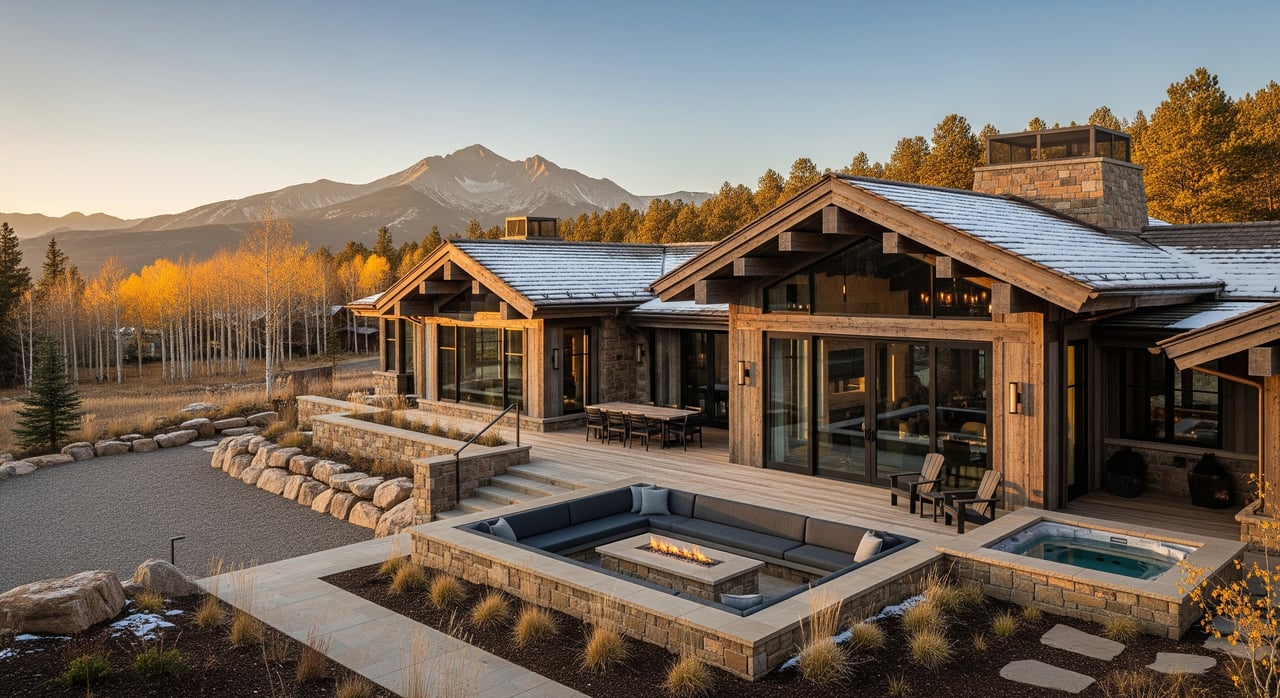
Craving a mountain base camp minutes from Rocky Mountain National Park? If you are weighing a second home in Estes Park, you are not alone. The area’s scenery, access to trails, and town amenities make it a standout choice for out-of-state buyers. This guide walks you through seasonality, inventory, rental reality, costs, and timelines so you can plan with confidence. Let’s dive in.
Estes Park sits at the gateway to Rocky Mountain National Park, which is a major engine for visitors and repeat trips. That steady draw supports demand for second homes used for long weekends, family gatherings, and short-term rentals when permitted. You also benefit from proximity to Front Range cities, with common drive times around 1.5 to 2 hours from Denver and shorter from Fort Collins.
The mountain-resort lifestyle adds more than scenery. You will find restaurants, galleries, outfitters, summer events, and fall foliage weekends that bring the town to life. Limited developable land and prized viewsheds can constrain supply, which supports price resilience in desirable locations.
Peak use runs late spring through early fall, when hiking and wildlife viewing are at their best. Summer weekends and fall color dates book quickly, which is great for personal stays or rental demand if your property and rules allow it. Winter is quieter, yet snowshoeing, cross-country outings, and cozy weekends still draw owners and guests.
Expect uneven occupancy across the year. If you plan to rent, your calendar will likely lean into summer and fall with more gaps in winter. If you want quiet time for yourself, winter and shoulder seasons can be ideal.
Detached homes often command premiums for size, privacy, and mountain views. Supply of true view lots is limited. Road access, parking, and utility availability can influence pricing and day-to-day ease of ownership.
These can be a more affordable entry with lower maintenance. Many are in areas popular with visitors, but rental use is governed by HOA rules and local regulations. If you want to rent, confirm both HOA restrictions and town or county requirements early.
Character comes with maintenance. Plan for insulation upgrades, heating system work, septic considerations, and roof or window improvements. These items affect both comfort and carrying costs, especially in winter.
Land is constrained and often shaped by topography. Building in the mountains usually costs more per square foot than in-town projects. Check access, slope, utility feasibility, and local development rules before you set your budget.
Colorado mountain communities carry higher wildfire exposure. Insurance availability and premiums can vary, and carriers may ask for defensible space or ember-resistant features. Also verify flood considerations and snow load requirements so your coverage fits the property’s conditions.
Not every property is on town water and sewer. If a home has a well and septic, plan for periodic inspections, service schedules, and possible limits on rental use. Internet and cellular service can vary by elevation and neighborhood, and year-round access may require snow-capable vehicles and arranged plowing.
Snow removal, heating system service, winterization, pest control, and emergency response add up. Out-of-state owners often hire local property managers for cleaning, guest turnover, and maintenance. Management fees reduce gross rental income but are essential for reliability and safety.
Property taxes are assessed by Larimer County based on value and taxing districts. If you rent short-term, expect lodging and sales tax collection with business licensing requirements. HOAs commonly regulate rentals, parking, and remodeling approval, so review documents during due diligence.
Second-home loans typically require higher down payments and cash reserves than primary residences. Standards are not as strict as many investment property loans, but they are more rigorous than owner-occupied financing. Appraisers rely on mountain market comparables, which can vary seasonally, and cash purchases are common among second-home buyers.
Visitor demand tied to Rocky Mountain National Park means well-located properties can see strong seasonal occupancy and nightly rates. Revenue varies by location, property type, condition, and local rules. If STR income matters to your plan, model revenue with reputable data tools, include management fees and taxes, and confirm licensing and HOA compliance before you write an offer.
Sellers often list in summer to capture peak traffic, and desirable homes can move quickly. If you can act in the shoulder or winter seasons, you may see less competition. Have financing lined up, use remote showings to move fast, and keep your inspection window efficient without giving up essential protections.
You deserve a clear, professional process that respects your time and goals. Our team specializes in relocation and investor advisory across Northern Colorado, with a focus on mountain-adjacent communities like Estes Park. We coordinate remote showings, structure competitive offers, and connect you with local lenders, insurance agents, property managers, and contractors. You get measured guidance at every step so your second-home purchase aligns with your lifestyle and long-term plan.
Ready to start planning your Estes Park purchase? Reach out to the McBartlett Team for a conversation and a tailored game plan.
Stay up to date on the latest real estate trends.

Northern Colorado
Northern Colorado & Denver Metro Area Market Report
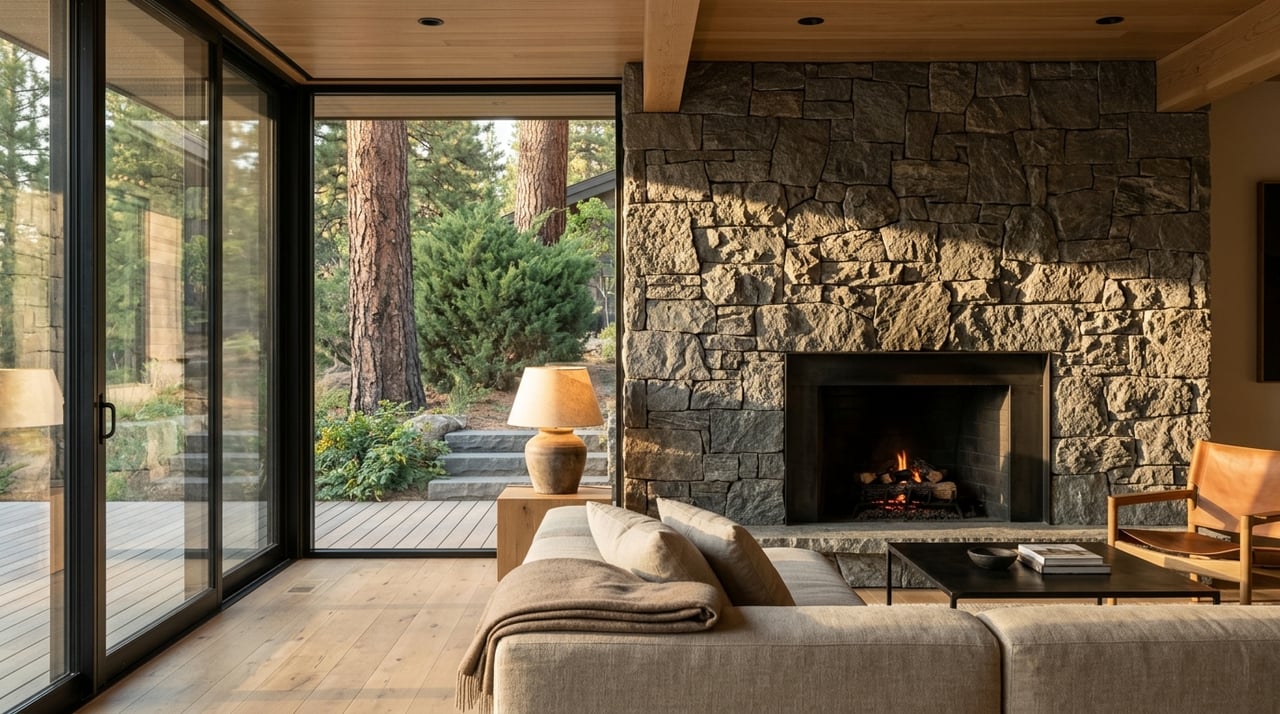
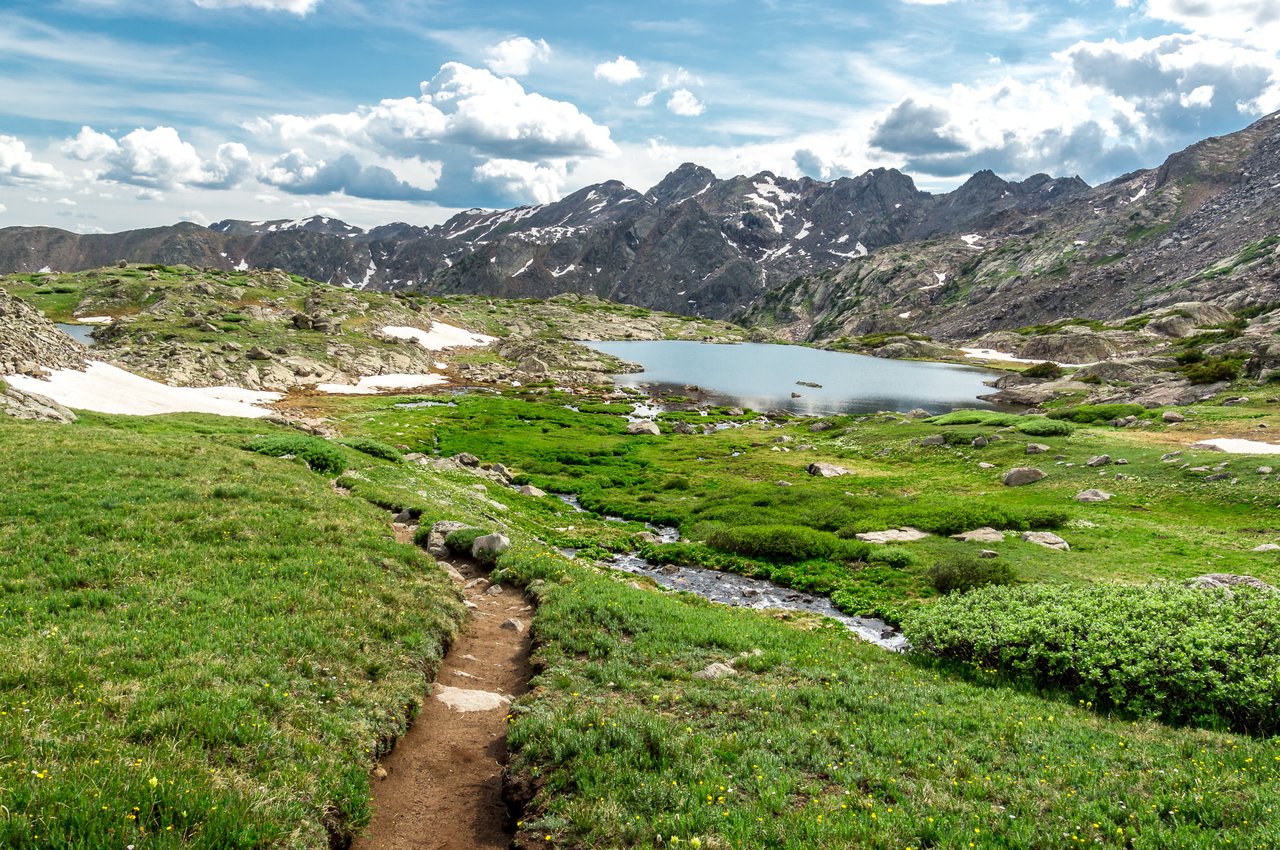
Northern Colorado
Northern Colorado & Denver Metro Area Market Report
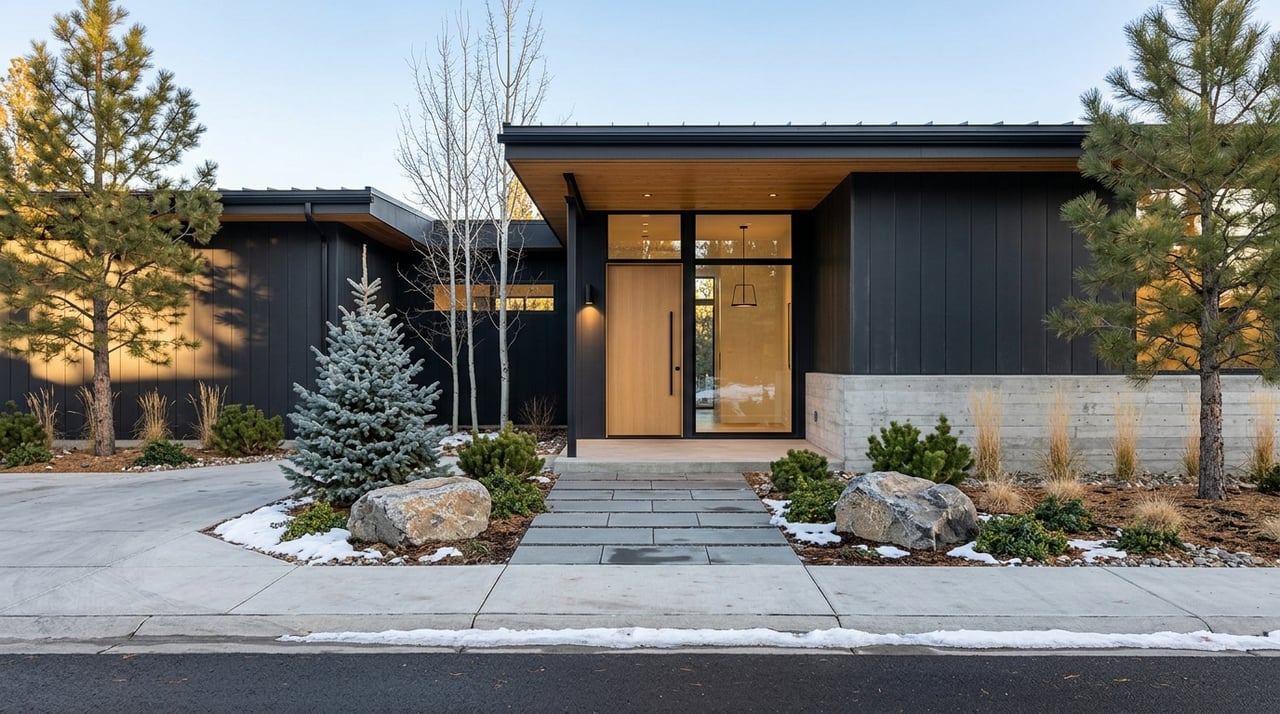

Home By Design
REWORKING A 1915 HOME IN CLASSIC—YET WARM—STYLE
We enjoy being able to provide the level of expert detail and understanding to our clients that we would expect as a client if we were working through the same process. Whether it be going through the home buying process or listing your home, we look forward to working with you soon!
Ready to start a conversation?
Fort Collins 242 Linden St, Suite 216, Fort Collins, CO 80524 Boulder 1470 Walnut St, Suite 201/202, Boulder, CO 80302 Denver 200 Columbine St, Suite 400, Denver, CO 80206