A Relocator’s Long Weekend Guide To Experiencing Boulder
You can learn a lot about Boulder in 72 hours if you plan like a future local, not a tourist. Maybe you are weighing a new role, a hybrid setup, or a lifestyle shift that blends trail time with a workable commute. This guide walks you through a three-day, resident-focused itinerary that helps you test walkability, errands, transit, trails, culture, and daily rhythms. Follow the schedule, note what fits your life, and capture a clear picture of whether Boulder feels like home. Let’s dive in.
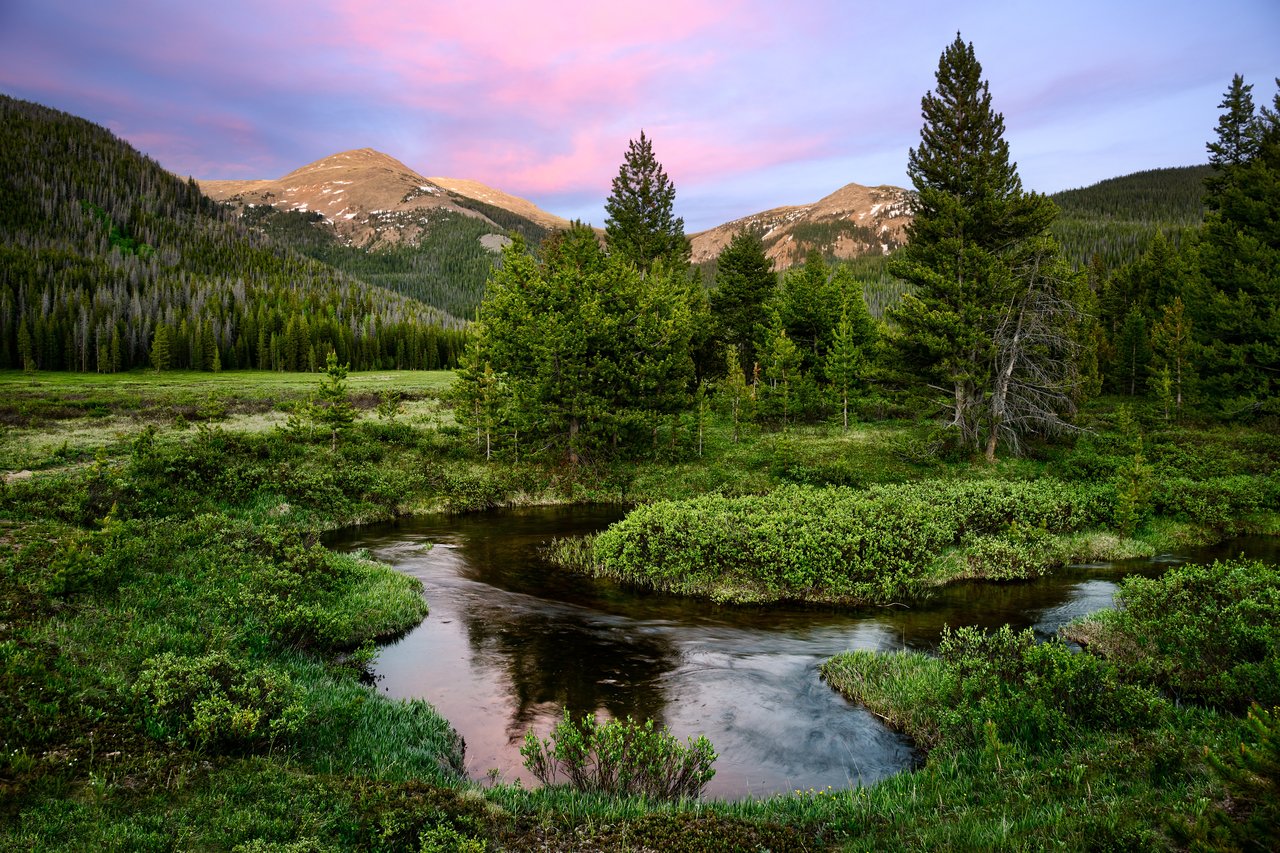
Boulder sits at about 5,430 feet at the base of the Front Range foothills, roughly 25 to 30 miles northwest of Denver. The city’s estimated population is 106,803 as of July 1, 2024, which helps explain the steady downtown energy and neighborhood variety you will see during your visit. You will find that open space is part of everyday life here, with more than 45,000 acres protected and roughly 155 miles of maintained trails managed by the city’s Open Space and Mountain Parks program. The University of Colorado Boulder and local research and healthcare anchors shape jobs and services, with Boulder Community Health providing hospital and clinic access across town.
If you arrive at Denver International Airport, you can connect by rail and bus without renting a car. Take RTD’s A Line from the airport to Denver Union Station, then the Flatiron Flyer express bus to Downtown Boulder. The Flatiron Flyer is RTD’s Bus Rapid Transit service along U.S. 36, and it is a practical option for a short scouting trip if you plan to keep things walkable downtown. If you drive, typical times to Boulder can range from about 40 to 60 minutes depending on traffic, so leave extra buffer during rush hours.
Start with a slow walk along the Pearl Street Mall between 11th and 15th Streets. Grab coffee, people-watch, and note the density of independent shops and restaurants. Pay attention to how many errands you can do on foot within a few blocks and how the street feels at different times of day. The Downtown Boulder Partnership curates events and updates that shape the area’s vibrancy, which is useful context when considering a move.
Visit a full-service grocery and a pharmacy to check parking, prices, and typical crowds. You will see familiar options like King Soopers, Whole Foods, and Trader Joe’s depending on the neighborhood you choose. Pop into a hardware store to see hours and inventory. Take note of nearest garages or lots and the availability of curbside or metered parking.
Stroll the Civic Area and the Boulder Public Library area near the Dushanbe Teahouse to gauge park space, cultural programming, and river-adjacent paths. As you wrap up downtown, test commute routes such as US-36 and Broadway during late afternoon. Find nearby RTD bus stops and note frequency. This is your baseline for weekday flow.
Choose dinner on Pearl Street or one block off the mall to compare atmospheres. Check how street and garage parking feel after 7 p.m. and whether you would be comfortable walking a few blocks at night. If you are timing a possible weekday routine, look again at downtown event calendars to understand how festivals and evenings change parking and foot traffic.
Arrive early at Chautauqua Park to experience the Flatirons up close. Parking is limited, and paid parking is enforced during peak season, so consider the free seasonal Park-to-Park shuttle on summer weekends and holidays. Use this stop to gauge how often you would drive versus use transit for trail access.
If you like a quick summit-style workout, try Mount Sanitas. Trail options range from short, steep routes to moderate 2 to 3 mile loops right next to town. For a bigger challenge, the Royal Arch route from Chautauqua offers memorable views, although that trail can see maintenance or temporary closures at times, so plan accordingly.
Bring a picnic for the Chautauqua lawn or stop into the historic dining hall. As you eat, note restroom access, the feel of summer crowds, and how quickly you can get back to town. If you plan to host out-of-town guests, this is a good place to imagine what your weekends might look like.
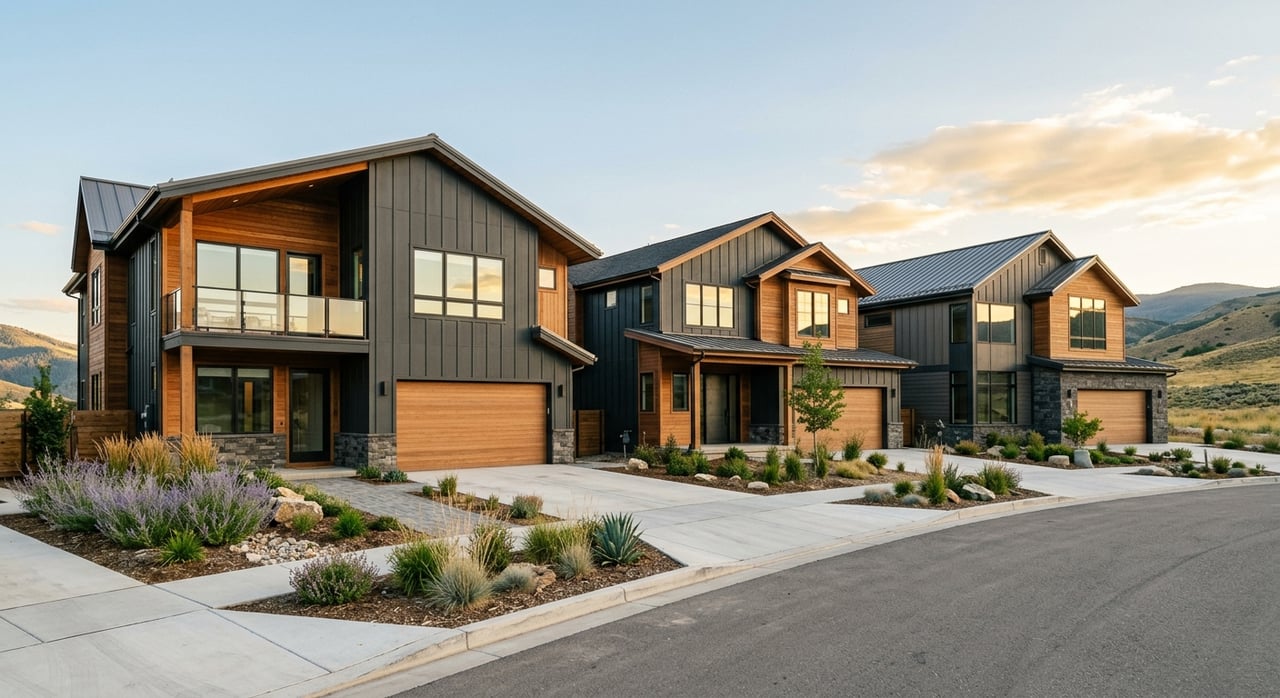
Loop through nearby foothills neighborhoods like Mapleton Hill, Newlands, Juniper and Kalmia, or Old North Boulder. Look at street width, tree canopy, architectural styles, and lot sizes. You will notice that home prices and designs vary block to block, which is why block-level comps and on-the-ground context matter when you are ready to buy.
Head back downtown or to University Hill for a different dinner scene. Compare noise, parking, and walk times from likely living areas. Think about what you want your Thursday night to feel like after a long workday.
Pick two neighborhoods you are seriously considering, then do quick-stop errands in each. Visit a local grocery, a bank branch, and a coffee shop to test lines, hours, and parking. Pay attention to whether these errands feel walkable or if you would prefer to drive. If you rely on delivery, check how services handle your target blocks.
If you are evaluating schools, look up the Boulder Valley School District’s visitation policies and neighborhood boundaries in advance. For remote or hybrid workers, spend an hour in a coworking space or a CU campus coffee shop to sense the student and academic pulse. Note Wi-Fi strength, meeting privacy, and the availability of quiet corners.
If you have time, drive south to Eldorado Canyon State Park. The scale and setting feel different from city open space, which helps you imagine variety in your weekend routines. Watch how your phone signal behaves on canyon roads if you may take calls outside.
Prefer an in-town option. Visit the Boulder Museum of Contemporary Art to sample exhibitions and community programming. This is a simple way to check how often you might add local art and events to your calendar.
Boulder’s typical home value was about $927,000 according to the Zillow Home Value Index, with a data snapshot dated January 31, 2026. Through 2024 and 2025, the market showed signs of normalization compared with 2021 and 2022 peaks, with more inventory and slower appreciation. Prices and rents remain high relative to national averages, so neighborhood-level strategy, timing, and financing prep are key. Always verify current figures close to your decision date, and pair citywide stats with block-level comps.
Boulder’s most popular trails can be crowded on sunny weekends, especially around Chautauqua and the Flatirons. Start early, carry water, and respect seasonal closures to protect trails and wildlife. Before you head out, check city notices for any maintenance or temporary closures so you are not surprised at the trailhead. The city has issued recent updates about Royal Arch maintenance to illustrate how conditions can change.
Approach your visit like a resident. Check errands, test commutes, sample a hike that fits a workday, and walk at least one evening route after dinner. Most of all, capture how each neighborhood feels at the times you care about most. When you are ready for block-by-block insight, private showings that fit your schedule, and a clear plan for offers and negotiation, reach out to MCM Collective. We will help you focus on the right streets, the right timing, and a purchase path that supports your long-term goals.
Stay up to date on the latest real estate trends.
Northern Colorado Real Estate
Real Estate In Perspective
Northern Colorado
Northern Colorado & Denver Metro Area Market Report
We enjoy being able to provide the level of expert detail and understanding to our clients that we would expect as a client if we were working through the same process. Whether it be going through the home buying process or listing your home, we look forward to working with you soon!
Ready to start a conversation?
Fort Collins 242 Linden St, Suite 216, Fort Collins, CO 80524 Boulder 1470 Walnut St, Suite 201/202, Boulder, CO 80302 Denver 200 Columbine St, Suite 400, Denver, CO 80206