Owning A Retreat Home In Estes Park: Lifestyle And Logistics
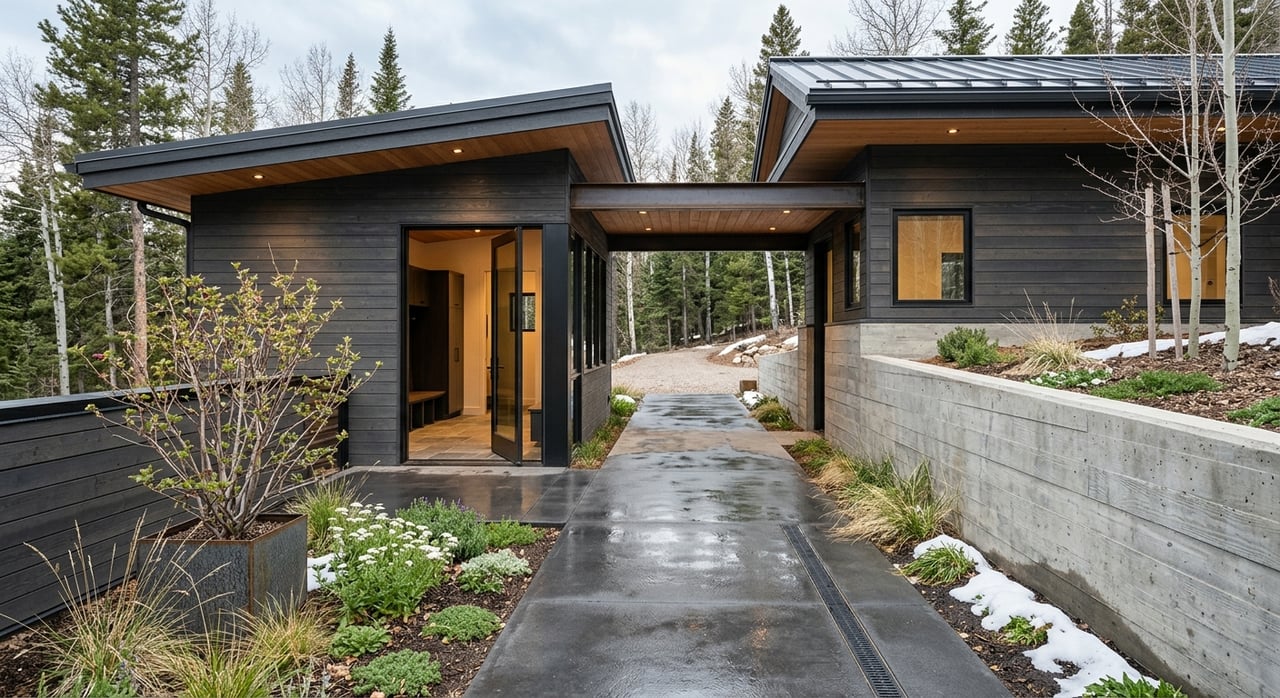
Dreaming about a mountain home where you can unplug for a long weekend, gather family for the holidays, and slip into a different pace of life? In Estes Park, that vision can be very real, but the lifestyle comes with a layer of planning that many buyers do not fully see at first. If you are considering a retreat home here, it helps to understand both the appeal and the practical responsibilities. Let’s dive in.
Estes Park is not just a summer cabin market. It functions as a four-season retreat destination, which is a big part of what makes ownership here so compelling for buyers who want more than a few warm-weather weekends.
At roughly 7,480 feet, Estes Park has a distinct mountain climate. NOAA reports annual normals of 44.4°F for mean temperature, 16.47 inches of precipitation, and 75.1 inches of snowfall. That means your experience of the home can shift meaningfully by season, from summer trail days to winter visits with snow on the ground.
The area also draws consistent interest because of Rocky Mountain National Park. The park logged 4,154,349 recreation visits in 2024, with most visits happening during the busy season from late May through mid-October. At the same time, Estes Park stays active beyond peak tourism, with downtown open year-round and winter promoted locally as a quieter “secret season.”
For many buyers, a retreat home in Estes Park is less about full-time living and more about concentrated use. Think holiday weekends, summer family trips, fall visits, and occasional longer stays when your schedule allows.
That pattern matters because it shapes how you should buy. A home that works beautifully for short bursts of use may need different systems, maintenance planning, and access expectations than a primary residence.
If your goal is to host extended family or create a long-term legacy property, Estes Park can fit that vision well. But the best ownership experiences usually come from treating the home as a lifestyle asset that needs active stewardship, even when you are away.
One of the best parts of owning in Estes Park is easy access to mountain recreation. Still, access is not the same in every season, and that can affect how you plan your stays and how you prepare guests.
Trail Ridge Road, which connects Estes Park and Grand Lake, is a seasonal route and closes to through traffic in winter. Old Fall River Road is typically open only from early July to early October. If your ideal ownership plan includes scenic summer drives and park access, these road schedules matter.
During peak season, Rocky Mountain National Park also requires timed-entry reservations during certain hours. If you plan to host friends or family, especially in summer, arrival timing may take more coordination than it would at a typical second home in a suburban or resort setting.
Before you get too far into the buying process, one of the most important questions is simple: Is the property inside the Town of Estes Park or in unincorporated Estes Valley?
That distinction affects more than mailing address. According to Larimer County, the Town controls zoning, development review, utilities, and municipal services within town limits, while the County has land-use jurisdiction in unincorporated portions of the planning area.
In practical terms, parcel location can influence licensing, service expectations, and the rules that apply if you ever want to rent the home for short stays. It is one of the first due-diligence items worth confirming.
Mountain ownership tends to feel simpler when you know exactly what you are responsible for. In Estes Park, the Town’s Utilities Department covers power and communications as well as water service, and owners can sign up for outage and leak notifications.
There is also an important detail many buyers do not expect. The Town states that the entire water service line from the corp stop at the street main to the house is the owner’s responsibility. That makes preventive care and inspection especially important when evaluating an existing home.
The Town also flushes water mains in spring, which can temporarily discolor water. It is not unusual, but it is the kind of local ownership detail that helps to know ahead of time.
If you are buying a retreat home for personal use, long-term enjoyment, or wealth planning, property taxes should be part of the conversation early. In Larimer County, all real property is reappraised on a two-year cycle in odd-numbered years.
Tax statements are mailed by the end of January. Your final bill reflects mill levies from the county, school district, municipality, and any special districts that apply to the parcel.
That means two homes at similar price points may not carry identical tax bills. When you compare options, it is worth reviewing parcel-specific tax history and the districts attached to each property.
A retreat home often sits empty for stretches of time. That is one of the biggest differences between owning in Estes Park and owning your primary home in a city or suburb.
Because of that, preventive maintenance becomes a core part of ownership. Common focus areas include the roof, plumbing, storm readiness, pest prevention, and making sure heat and water systems are managed properly during longer absences.
Smart-home monitoring and a clear maintenance checklist can help reduce surprises. For many owners, having a reliable property management or service plan in place is not a luxury. It is part of protecting the asset.
Estes Park and the surrounding valley sit in the wildland-urban interface. That makes wildfire awareness and mitigation an ongoing part of responsible ownership.
The Estes Valley Fire Protection District says the best thing a property owner can do is create defensible space. The district also offers wildfire mitigation property assessments, which typically take about two hours.
If you are evaluating homes, this is not just a post-closing task. It is part of understanding the parcel itself, the vegetation around the home, and the level of upkeep you may need over time.
Some buyers want a retreat home strictly for personal use. Others like the idea of occasional income when they are not there. In Estes Park, that can be possible, but you should never assume a property is automatically ready for short-term rental use.
Inside town limits, rentals under 30 days require a Vacation Home License. Occupancy is limited to two occupants per bedroom plus two, with a maximum of 8, and a sales tax license is also required for rentals of less than 30 days.
In unincorporated Estes Valley, Larimer County requires a short-term rental license before a property is advertised or operated as a rental. The county also caps registrations in residential Estes Valley districts at 208, so availability is not open-ended.
This point is especially important if you are buying with rental flexibility in mind. Larimer County says short-term rental licenses are generally not transferable upon sale, and the Town says transferability must be verified parcel by parcel.
That means an existing setup does not guarantee future rights for a new owner. If rental use matters to you, parcel-specific verification should happen before you rely on that income strategy in your decision-making.
If you plan to rent for short stays, taxes and operating rules need to be part of your budget and planning. The Local Marketing District collects a 5.5% lodging tax on stays under 30 days in Estes Park, Glenhaven, and Drake.
You will also want to understand operating restrictions that may affect the guest experience. The Town bans outdoor fires at vacation home rentals and bed-and-breakfast inn properties, and the Estes Valley Fire Protection District says short-term rentals may not burn solid fuels, including firewood, charcoal, or pellets.
These are the kinds of details that shape whether a property fits your personal-use goals, your hosting style, or your rental plans.
In a market like Estes Park, a thoughtful purchase starts with clarity about how you will actually use the home. A property meant for family holidays, occasional work-from-retreat stays, and long-term holding may be very different from one purchased with seasonal rental income in mind.
A strong buying strategy usually includes:
When you approach Estes Park this way, you can enjoy the lifestyle with fewer surprises. That is often the difference between a retreat home that feels restorative and one that becomes more complicated than expected.
Owning a retreat home in Estes Park can be deeply rewarding. You get a true four-season mountain setting, year-round town activity, and direct access to one of Colorado’s most visited national park gateways.
At the same time, this is a planning-heavy kind of ownership. Winter prep, wildfire mitigation, parcel-by-parcel rules, and periodic maintenance all come with the territory.
If that balance fits your goals, Estes Park can be an exceptional place to buy with both lifestyle and long-term stewardship in mind. When you want a clear, strategic view of how a specific property aligns with your plans, MCM Collective can help you evaluate the details with confidence.
Stay up to date on the latest real estate trends.

Northern Colorado
Northern Colorado & Denver Metro Area Market Report



Northern Colorado Real Estate
Real Estate In Perspective

We enjoy being able to provide the level of expert detail and understanding to our clients that we would expect as a client if we were working through the same process. Whether it be going through the home buying process or listing your home, we look forward to working with you soon!
Ready to start a conversation?

Fort Collins 242 Linden St, Suite 216, Fort Collins, CO 80524 Boulder 1470 Walnut St, Suite 201/202, Boulder, CO 80302 Denver 200 Columbine St, Suite 400, Denver, CO 80206