Selling A Second Home In Estes Park: What To Expect
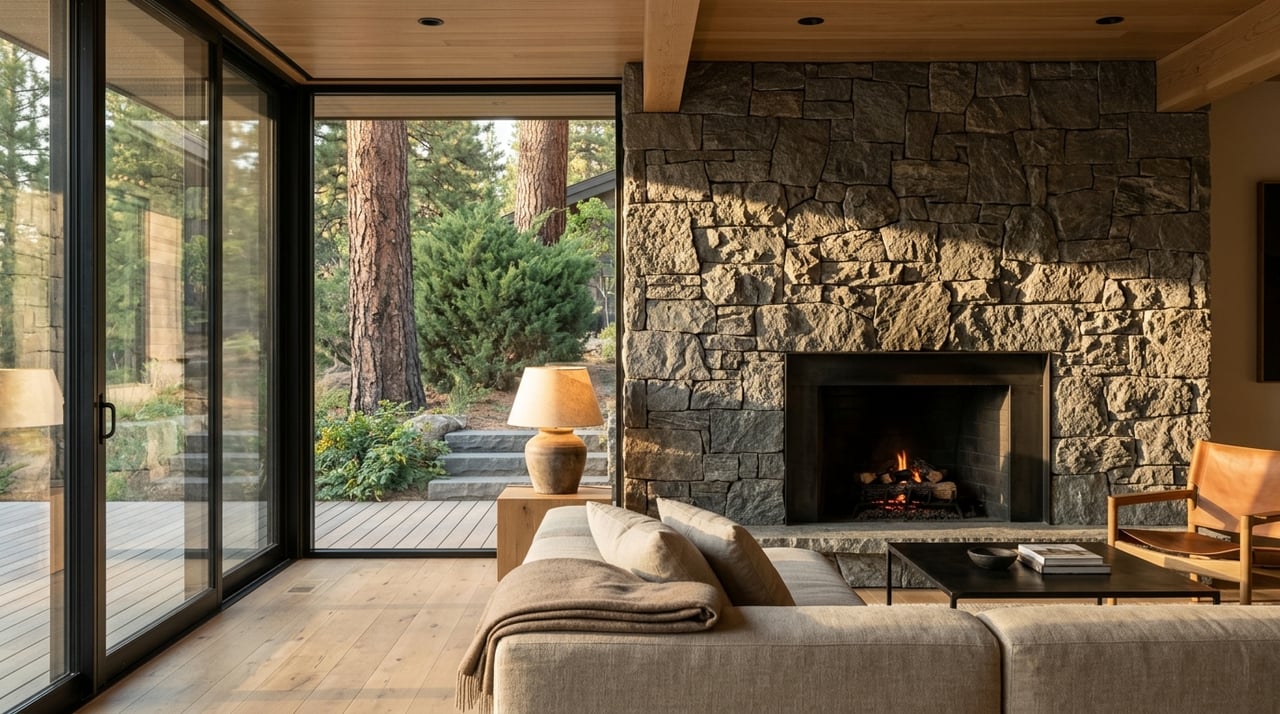
Selling a second home in Estes Park can feel simple at first. Then the real questions show up. How should you price a mountain property in a slower market, what records do buyers expect, and will a vacation-home license transfer with the sale? If you want a smoother sale and fewer surprises, it helps to know what local buyers are looking for before you list. Let’s dive in.
Selling in Estes Park is not quite the same as selling in a typical suburban market. Buyers are often weighing lifestyle, travel access, seasonal use, and property upkeep alongside price and condition. In many cases, they are not just buying a home. They are buying a mountain property that needs to feel manageable and well documented.
That matters because Estes Park is shaped by Rocky Mountain National Park visitation, mountain weather, and local land-use rules. The area also sees seasonal traffic patterns that can affect showings, inspections, repair timelines, and buyer activity. As a seller, you can benefit from treating the process as both a marketing effort and a preparation effort.
Current market data points to a pricing range in the high $600,000s to around $700,000, depending on the source and methodology. April 2026 data from Redfin shows a median sale price of $649,665 and average days on market of 127. Zillow data from April 30, 2026 shows an average home value of $687,330, a median list price of $672,167, and median days to pending of 59.
Realtor.com reports a median listing price of $699,500 for Estes Park and 60 median days on market, while also describing Larimer County overall as a buyers market. Taken together, these figures suggest a market where pricing discipline matters and marketing time may be measured rather than fast. You should be prepared for a sale timeline that may vary by property type, location, and condition.
Second-home sellers in Estes Park often do best when they focus on credible positioning instead of aspirational pricing. Buyers in a less competitive market tend to compare options carefully, especially when they are evaluating mountain-specific factors like access, slope, wildfire exposure, septic systems, and seasonal usability.
That means pricing is not only about square footage or finishes. It is also about how clearly your home answers buyer concerns. A property that feels well maintained, easy to understand, and ready for due diligence can create more confidence than one with missing records or unresolved questions.
Estes Park is busy during warmer months, and that can work in your favor. Rocky Mountain National Park is open year-round, but the National Park Service separates planning around summer, fall, and winter or spring travel patterns. Timed-entry reservations are required during certain hours from late May through mid-October, and visitors are encouraged to plan ahead for peak seasons.
The park recorded 4,171,431 recreation visits in 2025, ranking sixth among U.S. national parks. That level of visitation helps explain why Estes Park sees strong seasonal traffic and why buyer activity can feel tied to travel patterns. In practical terms, more active visitor periods may support showing momentum, while winter can slow travel, photography, inspections, and contractor availability.
If you have flexibility, the warmer months may offer easier logistics. Roads are generally more predictable, daylight is longer, and your home may be easier to photograph and show. Buyers also tend to experience the broader Estes Park setting more fully during these months.
Winter can still bring serious buyers, but it often requires more planning. Larimer County notes that winter weather can delay OWTS, or septic, inspections. If your property depends on seasonal access or outdoor presentation, timing your launch carefully can reduce friction.
In Estes Park, buyers often pay close attention to site conditions. Local rules in the Estes Valley address wildfire hazard areas, defensible space, steep slopes, geologic hazards, and floodplain impacts. These are not abstract planning topics. They are part of how buyers assess risk, usability, and future ownership costs.
Wildfire remains a live issue in the region. Larimer County's 2025 wildfire-defense grant for Estes Park and the Big Thompson corridor is aimed at improving wildfire defense, including defensible-space work on as many as 900 parcels and fuels treatment along key roadways. If your property has completed mitigation work or clear site documentation, that can help buyers feel more informed.
Before listing, it helps to think through the questions a buyer is likely to ask about the property itself:
The more clearly you can answer these questions, the more confidence you can create during the sale process.
For many second-home sales, preparation starts with paperwork. Colorado's commission-approved seller disclosure form must be completed by the seller, not the broker, and it is based on your current actual knowledge. If you discover a new adverse material fact later, it must be disclosed promptly.
That makes it smart to start early. If your home has been lightly used or managed from a distance, you may need extra time to pull together records. A complete document package can help reduce delays once you are under contract.
The most useful records often include:
This preparation is especially important for out-of-town owners. A buyer who sees organized records is more likely to view the property as responsibly maintained.
If your second home uses septic, buyers will likely want clear documentation. Larimer County stores septic documents on its property records page and requires permits for new systems and major repairs. The county also notes that some sites require engineer design, including soil treatment areas on slopes of 30 percent or more or where groundwater is shallow.
Weather also matters here. Larimer County notes that winter inspections may be delayed. If septic will be part of the buyer's due diligence, building extra time into your timeline can help you avoid stress later.
For many Estes Park cabins and older second homes, radon and lead-based paint are common parts of the disclosure conversation. Colorado law requires written radon disclosure in residential transactions. The Colorado Department of Regulatory Agencies has stated that about 50 percent of Colorado homes have radon levels above the EPA action level.
If radon testing or mitigation has been done, Colorado now requires licensed radon professionals. For most pre-1978 homes, federal lead-based-paint disclosure rules also apply, including disclosure of known information and a 10-day inspection period for buyers. If you already have records, organizing them before listing can help make the process smoother.
This is one of the biggest issues second-home sellers should clarify early. If the property has been used as a vacation home, the buyer cannot assume that use will transfer automatically with the sale. In Estes Park, current rules require a designated local resident or local property manager within the approved boundary, a compliance inspection, a life-safety or other required building inspection, proof of a current state sales tax license, and annual renewal.
The town also distinguishes between transferable and non-transferable licenses. Some grandfathered or non-residential licenses may transfer, but licenses that do not meet those criteria terminate on sale. In that case, the buyer must reapply under current cap, lottery, or waitlist rules.
If your home has any short-term rental history, verify license status before you go live and again before closing. This is important for pricing, buyer expectations, and marketing language. Clear, accurate information protects you from avoidable confusion during negotiations.
It also helps buyers understand what they are purchasing. That kind of clarity can make your transaction feel more professional and more trustworthy.
Jurisdiction is another detail that can affect a sale. The Town of Estes Park handles zoning, development review, utilities, and municipal services inside town limits. Larimer County governs land use in the unincorporated Estes Valley Planning Area that surrounds and includes the town.
If your second home is outside town limits, the applicable rules may differ from what buyers expect if they are only familiar with town properties. Knowing which jurisdiction applies can help you answer questions early and market the home accurately.
Many second-home owners sell from out of town. That is common, but it does require more coordination. You may need a clear schedule for property access, inspections, local vendors, and document retrieval, especially if the home has been lightly used or seasonally occupied.
Tax timing is one more practical point. Larimer County mails tax statements by the end of January to the owner of record, and the county notes that tax settlement at closing is typically handled between buyer, seller, and the title company. If you have not sold property in Colorado recently, it helps to be ready for those routine closing details.
For many Estes Park second-home sellers, the process is less about speed and more about clean execution. Buyers want to understand not only the home, but also how ownership works in a mountain setting. That includes access, site conditions, inspections, records, and any limits on vacation-home use.
A strong sale often comes from three things working together:
When those pieces are in place, your sale is more likely to feel orderly and credible from list date to closing.
If you are thinking about selling a second home in Estes Park, the best first step is a strategy that matches the property, the season, and the local rules that apply. MCM Collective helps sellers navigate pricing, preparation, and polished market positioning with a high-touch approach designed to reduce friction and protect value.
Stay up to date on the latest real estate trends.


Northern Colorado
Northern Colorado & Denver Metro Area Market Report


Northern Colorado
Northern Colorado & Denver Metro Area Market Report
We enjoy being able to provide the level of expert detail and understanding to our clients that we would expect as a client if we were working through the same process. Whether it be going through the home buying process or listing your home, we look forward to working with you soon!
Ready to start a conversation?

Fort Collins 242 Linden St, Suite 216, Fort Collins, CO 80524 Boulder 1470 Walnut St, Suite 201/202, Boulder, CO 80302 Denver 200 Columbine St, Suite 400, Denver, CO 80206