Condo, Townhome, Or House In Boulder? How To Decide
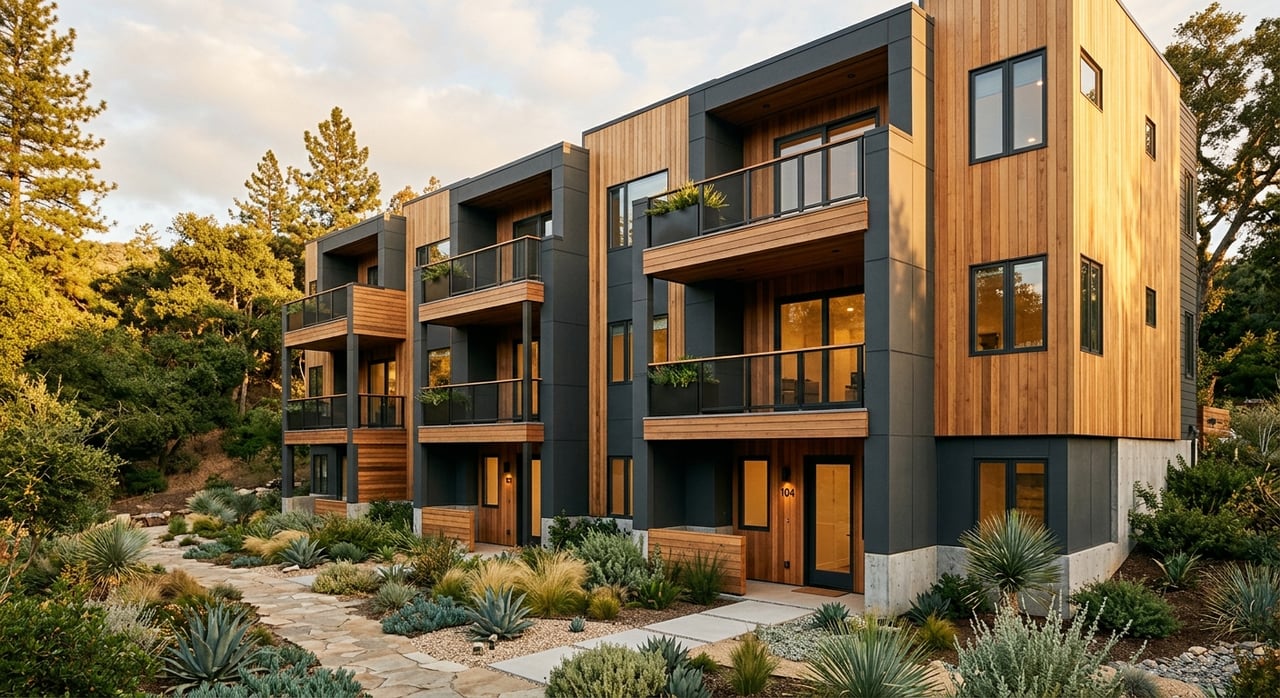
Choosing between a condo, townhome, or house in Boulder can feel simple at first, until you start weighing price, maintenance, privacy, and future flexibility all at once. If you are moving within Boulder, relocating from out of state, or buying with long-term goals in mind, the right fit often comes down to how you want to live day to day. This guide will help you compare each option through a Boulder-specific lens so you can make a more confident decision. Let’s dive in.
Boulder is not a one-size-fits-all housing market. The city’s planning framework supports a mix of housing types, with higher-density homes generally closer to downtown, CU, and transit-oriented areas, medium-density homes near shopping corridors and major arterials, and older low-density sections defined more by detached homes.
That matters because the type of home you choose often shapes your location, monthly costs, upkeep, and long-term options. In a premium market like Boulder, choosing the right property type is not just about what you can buy today. It is also about how well that home supports your lifestyle and future plans.
In March 2026, Redfin reported Boulder’s median sale price across all home types at $819,175, with homes taking about 52 days to sell on average. Boulder Area REALTORS® reported a year-to-date median sales price of $1,299,950 for single-family homes in Boulder.
Current Boulder listing data also shows a clear spread by property type. Condos are around $490,000, townhomes around $820,000, and detached single-family homes sit much higher based on recent local sales data. These figures are directional, since listing prices and closed sales are not the same, but the gap is still useful when setting expectations.
A condo can make sense if your biggest priorities are convenience, lower maintenance, and a more central location. In Boulder, condos often align with higher-density areas near downtown, CU, and transit-oriented redevelopment.
That lifestyle can be appealing if you want to spend less time handling exterior work. Depending on the association, HOA fees may cover things like snow removal, lawn care, trash pickup, and roof replacement.
The tradeoff is that condo ownership usually comes with less privacy and less control over the exterior of your home. You may also have more building rules, shared spaces, and parking limitations than you would with other property types.
Before you buy a condo, take the HOA seriously. The City of Boulder notes there are no legal limits on HOA fees, fees can rise to fund reserves or future projects, and unpaid dues can lead to foreclosure.
That means your review should go beyond the monthly payment. You will want to understand the association’s budget, reserve strength, special-assessment history, pet rules, rental rules, parking rules, and architectural restrictions.
A townhome often gives you a balance between a condo and a detached house. You may get more separation, more square footage, or a more residential feel than a condo, while still keeping maintenance lower than a typical house.
In Boulder, townhomes often fit medium-density areas near shopping corridors, major arterials, and newer mixed-housing areas. For many buyers, this can be the most practical middle ground when budget, space, and upkeep all matter.
Townhomes also line up with Boulder’s broader push for more housing choice, including missing-middle options. If you want a home that feels more private than a condo but do not need the cost or responsibility of a detached house, this category is worth a close look.
Many townhomes still have HOAs, so some of the same condo due diligence applies. You should still review governing documents, financials, reserves, restrictions, and the property’s maintenance responsibilities before moving forward.
The main question is whether the added space and separation are worth the higher price compared with a condo. In Boulder, townhomes often sit well above condos on price but still below detached single-family homes, which is exactly why many buyers see them as the middle option.
If privacy, outdoor space, and future customization are at the top of your list, a detached house is usually the strongest fit. In Boulder, single-family houses remain most common in older low-density areas where detached homes shape the neighborhood pattern.
A house often gives you the clearest sense of separation and control. You may have more room for storage, work-from-home needs, hobbies, outdoor living, or long-term household changes.
For many buyers, the biggest advantage is flexibility. A detached home may offer options for future additions, layout changes, or an accessory dwelling unit, depending on zoning, site conditions, and any HOA restrictions.
Boulder allows ADUs in many zoning districts, and they can be attached or detached. As of March 8, 2025, they no longer have to be owner-occupied, which can make a house more attractive if you are thinking about long-term adaptability.
That said, not every parcel will work. Site constraints such as floodplain, wetlands, steep slopes, historic designation, mass-movement hazard areas, or prior planning approvals can limit what you can do.
Where you want to live in Boulder can narrow your best-fit property type pretty quickly. If you want to be near downtown, CU, or transit-oriented redevelopment, condos are often the most natural match because they fit the city’s highest-density patterns.
If you prefer areas near shopping corridors or major arterials, townhomes may be more common. If you are drawn to older low-density parts of the city, detached houses are often the dominant housing type.
This does not mean you should choose location first and compromise on everything else. It means your decision works best when property type and location support each other instead of pulling in opposite directions.
A simple way to compare your options is to focus on the daily realities of ownership. Ask yourself:
If your answers lean toward simplicity and location, a condo may be the better fit. If they point to balance, a townhome may make the most sense. If flexibility, privacy, and future potential lead the list, a house is often the stronger option.
In Boulder, hidden differences often come from legal and site-specific details rather than the listing photos. For condos and townhomes, the City of Boulder says it does not have authority to overrule an HOA, so buyers need to understand the governing documents and restrictions before they commit.
For houses, due diligence often means checking the site itself as carefully as the structure. Floodplain status, wetlands, mass-movement hazard areas, historic designation, and earlier approvals can all affect future plans.
This is one reason broad real estate advice is not enough in Boulder. The right answer is usually tied to the exact property, its location, and the rules that apply to it.
If you want a practical starting point, use this framework:
There is no universally best option, only the one that fits your priorities best. In Boulder, that decision deserves a careful look because the differences between property types can affect both your lifestyle and your long-term investment.
If you want help weighing specific neighborhoods, comparing property types, or evaluating the tradeoffs in a particular listing, MCM Collective offers the kind of informed, high-touch guidance that can make a complex Boulder decision feel much clearer.
Stay up to date on the latest real estate trends.

Market Update
Northern Colorado sales rose 3% in July while prices held flat and carrying costs climbed. Full data across nine markets, plus what it means by client situation.

Northern Colorado
Northern Colorado & Denver Metro Area Market Report
We enjoy being able to provide the level of expert detail and understanding to our clients that we would expect as a client if we were working through the same process. Whether it be going through the home buying process or listing your home, we look forward to working with you soon!
Ready to start a conversation?
Fort Collins 242 Linden St, Suite 216, Fort Collins, CO 80524 Boulder 1470 Walnut St, Suite 201/202, Boulder, CO 80302 Denver 200 Columbine St, Suite 400, Denver, CO 80206