Real Estate In Perspective | March 2026
Northern Colorado

Northern Colorado
MCM Collective · Northern Colorado · March 2026 Market Intelligence Report
Northern Colorado's spring selling season opened with a market defined by expanding inventory, measured buyer behavior, and surprising strength at the top end — a combination that rewards informed strategy over reflexive action.
By Kelly McBarlett | Principal Agent & Founder, MCM Collective · March 2026
Further into the spring selling season, the Northern Colorado real estate market in March 2026 presented a dynamic and varied landscape. Our region, known for its strong community ties and attractive quality of life, continues to navigate a nuanced market influenced by shifting inventory levels and evolving buyer behavior. The data for March reflects a mix of performance across key markets, offering insights crucial for both buyers and sellers as they plan their next steps in this competitive environment.
Across the region, results were mixed, suggesting that local market conditions are highly dependent on specific geographic areas. While some markets are beginning to show encouraging signs of increased buyer engagement, others appear to be experiencing a continued retraction.
"Buyers are gaining more options, while sellers can be reassured by continued price stability — making March a transitional month for the region."
The March 2026 Northern Colorado market was defined by increasing inventory across many submarkets, which is pushing Months of Inventory higher, thereby beginning to temper the strong seller's advantage. While sold listings show signs of buyer caution in several areas, average home prices have largely held stable or continued to appreciate. The luxury market exhibited notable strength, particularly in closed sales volume in markets like Estes Park and Loveland, demonstrating a healthy high-end segment.
We're watching interest rates, jobs numbers and consumer sentiment in the coming weeks to show us where the market trends in the rest of the first half of 2026. We're available to help in your specific situation anytime.
A Market Trying to Grow — Into Headwinds. As Northern Colorado's spring data came in, the national housing market was simultaneously offering its most encouraging signals in years while contending with fresh turbulence. Compass Chief Economist Mike Simonsen, in his weekly market update, described conditions plainly: "This market is trying to grow, but there are a lot of affordability hurdles in the way." The diagnosis is apt. The structural conditions for a healthier market — rising inventory, modestly lower rates, improving affordability — are largely in place. What is missing is the confidence required to act on them.
The Rate Picture Complicated. The 30-year fixed-rate mortgage averaged 6.46% in the final week of March — its fifth consecutive week of increases and the highest weekly average recorded in seven months. That reversal from earlier in the month, when rates briefly touched the low 6% range, was consequential: the move translated to roughly $115 more in monthly payment than when 30-year rates were hovering around 6% just four weeks prior. The rate whipsaw also carried geopolitical fingerprints — the U.S.-Iran conflict introduced fresh inflation anxiety into bond markets, pushing Treasury yields and mortgage rates upward precisely as the spring selling season was attempting to find its footing. Simonsen noted that this kind of external shock is a reminder that timing the market is, ultimately, a misdirected exercise: "All we can do is evaluate the opportunity in front of us. Do we love the home? Can we afford the home? If so, that's a good signal to buy the home rather than waiting for some condition that might happen later."
NAR: Affordability Improving, Volume Still Constrained. February 2026 brought 4.09 million in existing-home sales nationally — a 1.7% recovery from January's pullback, with a national median price of $398,000 and 3.8 months of inventory. NAR Chief Economist Lawrence Yun, while encouraged by the directional movement, struck a measured tone: "There is a long way to go to return to pre-pandemic levels of transaction activity. There are more than 6 million more jobs than in 2019, yet home sales per year are down by one million." The gap between employment health and housing activity is one of the defining paradoxes of this cycle. Pending home sales in February were down 0.8% year-over-year, despite 30-year mortgage rates spending much of that month in the low-6% range — significantly below the averages seen a year prior. The implication is clear: rate relief alone is not unlocking the market. Sentiment and economic confidence are doing at least as much work.
The Inventory Map Tells a Regional Story. Writing in HousingWire in early March, Simonsen noted that while national inventory is up roughly 9% year-over-year, the headline number obscures more than it reveals: Texas inventory has climbed some 400% from pandemic lows, while markets across the Midwest and Northeast remain 70% or more below 2019 levels. The national average, in other words, is a blended fiction. Slower migration and weakening hiring are limiting turnover and keeping listings tight in the parts of the country that have seen net outbound migration — the very markets that buyers and sellers alike consult for context. For Northern Colorado, where inventory has grown meaningfully but remains well below the 5–6 month threshold for a balanced market, this national divergence is a useful reminder that local conditions, not national averages, should anchor decision-making.
What the Luxury Sector Is Telling Us. The high-end market is running on different tracks entirely — and the signals are instructive for our region. According to Robb Report's analysis of Sotheby's International Realty's 2026 Outlook, luxury home sales are expected to keep their edge over the broader market, fueled by wealth creation, international demand, and buyers who are far less rattled by interest rates than the average homeowner. Inman's reporting on the luxury landscape for 2026 identifies a shift in what high-net-worth buyers are seeking: luxury has moved from excess to intentionality, with today's buyers prioritizing discretion, lifestyle alignment, and long-term value over trophy acquisition. Coldwell Banker Global Luxury's 2026 Trend Report captures the sentiment of what high-end buyers want most directly: "They want homes with presence and lasting value, including acreage and privacy, forever views and architectural quality. Homes must tell a story to truly stand out." That framing lands with particular resonance when one considers the $8.9 million Loveland acreage sale that anchored Northern Colorado's luxury data in March.
The broadest read on Northern Colorado's health comes from the regional aggregate. Combined Larimer and Weld Counties reported 2,778 homes for sale in March 2026, an 8% increase year-over-year. Sold listings nudged upward 3% to 969 transactions, while Months of Inventory rose modestly from 2.75 to 2.85 months. Average single-family prices held essentially flat at $633,646 — a picture of a market absorbing more supply without experiencing price erosion.
Northern Colorado Regional Snapshot
| Metric | March 2026 | March 2025 | YoY |
|---|---|---|---|
| Homes for Sale | 2,778 | 2,567 | +8% |
| Sold Listings | 969 | 943 | +3% |
| Months of Inventory | 2.85 | 2.75 | +4% |
| Avg. Single Family Price | $633,646 | $634,055 | 0% |
| Avg. Attached/Condo Price | $403,834 | $409,958 | −1% |
| Market | March 2026 | March 2025 | YoY |
|---|---|---|---|
| Fort Collins | 445 | 385 | +16% |
| Loveland | 341 | 282 | +21% |
| Longmont | 327 | 289 | +13% |
| Boulder | 531 | 512 | +4% |
| Windsor | 263 | 257 | +2% |
| Berthoud | 144 | 133 | +8% |
| Evergreen | 159 | 110 | +45% |
| Denver Metro | 7,658 | 7,611 | +1% |
| Timnath | 101 | 112 | −10% |
| Estes Park | 115 | 132 | −13% |
The divergence in inventory behavior across the region is one of March's defining narratives. Fort Collins, Loveland, and Longmont each posted meaningful gains in available homes — a reflection of sellers entering the market as spring approaches. Evergreen's 45% inventory surge is particularly striking, suggesting that mountain-adjacent lifestyle properties that commanded outsized premiums during the post-pandemic migration wave are now finding their equilibrium. Estes Park and Timnath stand apart as genuinely inventory-constrained markets, each posting declines in available listings — a dynamic that continued to support their pricing structures even as broader conditions softened.
| Market | March 2026 | March 2025 | YoY |
|---|---|---|---|
| Estes Park | 20 | 14 | +43% |
| Boulder | 139 | 117 | +19% |
| Loveland | 114 | 104 | +10% |
| Fort Collins | 182 | 193 | −6% |
| Berthoud | 38 | 39 | −3% |
| Denver Metro | 2,770 | 2,864 | −3% |
| Timnath | 26 | 29 | −10% |
| Windsor | 82 | 95 | −14% |
| Longmont | 110 | 134 | −18% |
| Evergreen | 33 | 46 | −28% |
Sold listings tell a more complicated story. The headline softness in Windsor (−14%), Longmont (−18%), and Evergreen (−28%) is consistent with a buyer cohort exercising patience — more options on the table, less urgency to transact. Estes Park's 43% surge in closed sales is the most significant outlier in the dataset, and when read alongside its declining inventory, suggests a market where motivated buyers are moving decisively when the right property presents itself. Boulder's 19% increase in closed sales points to an enclave of demand that remains well-supported despite its elevated price point.
| Market | March 2026 | March 2025 | YoY |
|---|---|---|---|
| Estes Park | 4.6 | 5.6 | −18% |
| Boulder | 4.3 | 4.4 | −2% |
| Denver Metro | 2.7 | 2.68 | +1% |
| Windsor | 3.4 | 3.2 | +6% |
| Timnath | 4.4 | 4.2 | +5% |
| Loveland | 2.8 | 2.5 | +12% |
| Longmont | 2.8 | 2.5 | +12% |
| Fort Collins | 2.2 | 1.9 | +16% |
| Berthoud | 4.5 | 3.8 | +18% |
| Evergreen | 3.9 | 2.7 | +44% |
A note on interpretation: A balanced market is conventionally defined as 5–6 months of inventory — the point at which neither buyers nor sellers hold a structural advantage. Every Northern Colorado city market tracked here remains well below that threshold in March 2026, meaning the region continues to favor sellers overall, even as MOI rises and that advantage incrementally narrows. Fort Collins at 2.2 months and Loveland at 2.8 months remain firmly in seller-market territory. Evergreen's jump from 2.7 to 3.9 months represents the most dramatic directional shift in the dataset, consistent with its inventory surge and softening in closed sales.
| Market | March 2026 | March 2025 | YoY |
|---|---|---|---|
| Boulder | $1,588,720 | $1,676,590 | −5% |
| Evergreen | $1,219,995 | $1,262,099 | −3% |
| Estes Park | $903,417 | $905,518 | 0% |
| Timnath | $875,352 | $907,865 | −4% |
| Denver Metro | $781,809 | $781,979 | 0% |
| Berthoud | $778,457 | $751,116 | +4% |
| Windsor | $727,571 | $686,763 | +6% |
| Fort Collins | $717,036 | $720,444 | 0% |
| Longmont | $734,733 | $739,387 | −1% |
| Loveland | $635,372 | $618,237 | +3% |
| Market | March 2026 | March 2025 | YoY |
|---|---|---|---|
| Timnath | $623,243 | $474,306 | +31% |
| Boulder | $622,402 | $630,421 | −1% |
| Evergreen | $692,444 | $652,955 | +6% |
| Estes Park | $545,683 | $547,274 | 0% |
| Longmont | $460,654 | $452,198 | +2% |
| Berthoud | $461,596 | $472,417 | −2% |
| Windsor | $435,068 | $437,160 | 0% |
| Loveland | $421,154 | $424,801 | −1% |
| Fort Collins | $408,829 | $423,238 | −3% |
| Denver Metro | $466,633 | $482,052 | −3% |
Price performance across city markets in March is broadly reassuring for sellers. Windsor's 6% appreciation to $727,571 and Loveland's 3% gain to $635,372 signal that affordably-positioned Northern Colorado markets retain meaningful upside. Fort Collins' flat performance at $717,036 is best read as price maturity rather than weakness — a deep, liquid market finding its equilibrium. The higher-end outliers, Boulder and Timnath in the single-family segment, reflect the more pronounced price recalibration seen in elevated-cost markets, consistent with broader statewide softening trends. Timnath's 31% condo appreciation is a notable exception warranting continued observation — it may reflect a product mix shift within a small sample rather than a durable directional trend.
| Region | Homes for Sale | YoY | Sold | YoY | MOI | Avg SF Price | YoY |
|---|---|---|---|---|---|---|---|
| Larimer County | 1,433 | +9% | 478 | +11% | 2.9 | $693,191 | −1% |
| Weld County | 1,345 | +7% | 491 | −4% | 2.8 | $574,100 | +1% |
| Northern Colorado | 2,778 | +8% | 969 | +3% | 2.85 | $633,646 | 0% |
| Boulder Valley | 1,147 | +2% | 369 | +1% | 3.2 | $1,070,955 | −1% |
| Denver Metro | 7,658 | +1% | 2,770 | −3% | 2.7 | $781,809 | 0% |
| Denver Foothills | 1,501 | +8% | 648 | −5% | 2.2 | $819,193 | 0% |
| Douglas County | 1,491 | +12% | 519 | −12% | 2.7 | $892,425 | 0% |
The regional picture adds important texture. Larimer County — home to Fort Collins, Loveland, Berthoud, and Estes Park — posted an 11% increase in sold listings year-over-year, making it one of the more actively absorbing regional markets in the dataset. Inventory growth that is actually being absorbed is a meaningful distinction. Weld County presents the counterpoint: inventory up 7%, but sold listings down 4% — buyers exploring, not yet committing at the rate supply has grown.
Douglas County's inventory expansion of 12% paired with a 12% drop in sold listings is the most pronounced supply/demand imbalance in the broader regional data. Higher-priced markets where buyers have genuine optionality tend to slow more perceptibly when sentiment turns cautious. Denver Foothills tells a similar story — strong inventory growth, declining transaction volume, but remarkable price stability at $819,193 average. In markets like these, precision of pricing and quality of presentation will increasingly determine outcomes.
The luxury segment delivered what may be the month's most compelling story. While the general market absorbed inventory gains with measured deliberation, the high-end segment in several key markets demonstrated a decisiveness entirely its own.
RECORD SALE — Loveland (Larimer County) $8,900,000 — Acreage Property · March 2026 Previous regional high sale: $2,400,000 (March 2025) · A 271% increase year-over-year
The $8.9 million Loveland acreage sale is not merely a single data point — it is a statement about the caliber of buyer operating in Northern Colorado's high-end market. It anchors Larimer County's luxury total sales volume at $49.5 million for the month and reflects the continued appetite, among a specific buyer profile, for legacy land holdings and the irreplaceable lifestyle they represent. It also aligns with what the industry's most authoritative voices are observing nationally: today's ultra-luxury buyers want "homes with presence and lasting value, including acreage and privacy, forever views and architectural quality — homes that must tell a story to truly stand out." The Loveland sale tells one.
Northern Colorado Luxury: Key Regional Figures
| Market | Threshold | For Sale | YoY | Closed | YoY | MOI | Avg Price | High Sale |
|---|---|---|---|---|---|---|---|---|
| Fort Collins | $1.15M+ | 60 | +46% | 7 | −50% | 3.8 | $1,683,643 | $2,239,000 |
| Loveland | $1.15M+ | 37 | 0% | 5 | +150% | 5.3 | $2,907,400 | $8,900,000 |
| Estes Park | $1.15M+ | 27 | −4% | 5 | +150% | 5.0 | $1,333,800 | $1,400,000 |
| Windsor | $1.15M+ | 31 | −3% | 7 | +17% | 4.5 | $1,242,737 | $1,535,000 |
| Longmont | $1.15M+ | 54 | −16% | 7 | −13% | 4.9 | $1,926,957 | $3,000,000 |
| Berthoud | $1.15M+ | 40 | −15% | 0 | −100% | 8.8 | N/A | N/A |
| Boulder | $4M+ | 60 | +25% | 5 | 0% | 17.6 | $4,792,040 | $5,850,000 |
| Timnath | $1.15M+ | 14 | −7% | 3 | −40% | 3.5 | $1,565,500 | $1,825,000 |
| Evergreen | $2.4M+ | 26 | +18% | 4 | +100% | 2.0 | $2,810,000 | $3,220,000 |
| Denver Metro | $2.4M+ | 303 | +21% | 50 | +22% | 5.8 | $3,659,832 | $9,750,000 |
Loveland and Estes Park's shared 150% increase in closed luxury sales — from 2 transactions each in March 2025 to 5 each in March 2026 — is not noise. These are markets where specific, high-conviction buyers act when the right property surfaces. Evergreen's 100% increase in luxury closings, combined with an MOI of just 2.0 months at the $2.4M+ threshold, makes it the tightest luxury submarket in the dataset — a finding that cuts against the broader Evergreen inventory narrative playing out in the general market.
Fort Collins presents the luxury segment's central tension in March: a 46% surge in luxury inventory alongside a 50% decline in closed sales. At 3.8 months of luxury supply, the market is not distressed, but sellers will need to be attentive to pricing and presentation in a segment where more options have emerged. The average luxury price rose 9% year-over-year to $1,683,643, which tells us that well-positioned properties are still transacting at strength — the volume softness reflects selectivity, not retreat. This mirrors what Christie's International Real Estate president Gavin Swartzman observed in the firm's global luxury report: "In virtually every market we are still seeing strong demand and, if it is a well-priced property, it's moving."
Berthoud's luxury market warrants a direct acknowledgment: zero closed sales in March 2026, with 40 homes for sale and an 8.8-month supply. This is a statistical reset in a small-sample market and should be read with appropriate caution. A single meaningful transaction in April would materially shift the picture.
| Region | Threshold | Closed | YoY | Avg Price | YoY | Total Volume | YoY | High Sale |
|---|---|---|---|---|---|---|---|---|
| Larimer County | $1.15M+ | 29 | +4% | $1,706,603 | +9% | $49,491,500 | +13% | $8,900,000 |
| Weld County | $1.15M+ | 19 | +36% | $1,539,201 | +5% | $29,244,827 | +42% | $2,400,000 |
| Northern Colorado | $1.15M+ | 48 | +14% | $1,622,902 | +7% | $78,736,327 | +22% | $8,900,000 |
| Boulder Valley | $4M+ | 5 | −29% | $4,792,040 | −12% | $23,960,200 | −37% | $5,850,000 |
| Denver Metro | $2.4M+ | 50 | +22% | $3,659,832 | +21% | $183,625,200 | +48% | $9,750,000 |
| Arapahoe County | $2.4M+ | 16 | +33% | $4,291,419 | +37% | $68,662,700 | +83% | $9,750,000 |
| Denver Foothills | $2.4M+ | 5 | −58% | $2,786,000 | 0% | $13,930,000 | −58% | $3,220,000 |
| Douglas County | $2.4M+ | 8 | −20% | $3,273,750 | +9% | $26,190,000 | −13% | $6,500,000 |
At the regional level, Northern Colorado's luxury story is unambiguously strong. The $78.7 million in total luxury sales volume — up 22% — alongside a 7% improvement in average price confirms that the high-end buyer is engaged and transacting. Weld County's 36% increase in closed luxury sales and 42% volume gain is particularly noteworthy, reflecting that the accessible luxury tier — product priced in the $1.15M–$2M range — continues to find a deep, capable buyer pool in this region. As Robb Report's analysis of the Sotheby's outlook noted, these are buyers who are far less rattled by interest rates than the average homeowner — and the Northern Colorado data bears that out.
Denver Metro's luxury performance — 50 closed sales, $183.6 million in volume (+48%), and a 21% increase in average price to $3,659,832 — confirms that the metro's high-end segment is operating on an entirely different plane from its general market, where sold listings declined 3%. Arapahoe County's 83% surge in luxury sales volume, anchored by the region's $9.75 million highest sale, is the standout regional luxury performance of the month.
Boulder Valley's luxury contraction — closed sales down 29%, volume down 37% — is the lone regional counterpoint. At a $4M+ threshold and with 20.4 months of supply, Boulder's ultra-luxury segment has entered a period of digestion. This is not uncommon for markets where entry prices sit well above regional norms; selectivity intensifies at altitude.
For sellers across the general market: Price stability is your primary asset. The region has not experienced the corrections being felt across Colorado more broadly. Homes priced with precision and presented with care are transacting — the market is not broken, it is selective. As NAR's research team has noted nationally, homes priced even 3–5% above market will face longer days on market and deeper eventual reductions. Northern Colorado is no exception. Overpricing into rising inventory is the principal risk to manage heading into Q2.
For buyers: March 2026 offers what the past several years have not — optionality. More inventory, modestly rising MOI, and patient seller sentiment in several markets create conditions where thoughtful negotiation is possible. Waiting for further rate declines carries its own cost; the next meaningful move downward will likely bring competing buyers back to the table simultaneously. Simonsen's counsel applies here directly: evaluate the opportunity in front of you on its own terms.
For luxury buyers and sellers: The $1.15M–$2.5M range in Northern Colorado is the most active and liquid luxury tier in the region. Properties with acreage, meaningful land, or distinctive lifestyle attributes are commanding premium buyer attention. The $8.9M Loveland sale signals that legacy land holdings occupy an entirely different conversation. Christie's International Real Estate's global luxury data confirms that "life events" — not rate speculation — are increasingly the primary drivers of high-end transactions. For sellers in this segment, the implication is that a motivated, well-capitalized buyer is out there — but they are buying on their timeline, not yours.
For investors: Weld County's combination of inventory growth, strong luxury absorption, and relative affordability in average price points ($574,100 single-family average) offers one of the region's more favorable entry points for long-term residential investment. Estes Park's constrained inventory and surging sales velocity merit similar attention for those with a lifestyle or short-term rental lens.
For those watching the broader picture: Interest rates, employment data, and consumer sentiment are the variables to watch most closely heading into Q2 2026. Consumer confidence, the directional trend of mortgage rates, and federal policy changes have been identified as the three forces likely to play an outsized role in shaping the housing market through the remainder of 2026. A deteriorating jobs picture at the national level remains the factor most capable of fundamentally shifting Northern Colorado's current equilibrium. Absent that, the structural undersupply that has characterized the region for the better part of a decade remains intact.
Real Estate In Perspective is published monthly by MCM Collective. All market data reflects March 2026 figures compared to March 2025, sourced from regional MLS records. Average sales prices reflect rolling 12-month averages unless otherwise noted. Luxury market thresholds are defined as the top 5% of all real estate transactions, locally calibrated: $1,150,000+ across Northern Colorado city markets; $2,400,000+ for Denver Metro, Evergreen, and Denver Foothills; $4,000,000+ for Boulder and Boulder Valley. Nothing herein constitutes a guarantee of market performance or investment outcome. We encourage clients to engage directly with our team for guidance specific to their circumstances.
© 2026 MCM Collective. All rights reserved. · Kelly McBarlett, Principal Agent & Founder
Stay up to date on the latest real estate trends.

Northern Colorado Real Estate
Real Estate In Perspective
Northern Colorado
Northern Colorado & Denver Metro Area Market Report
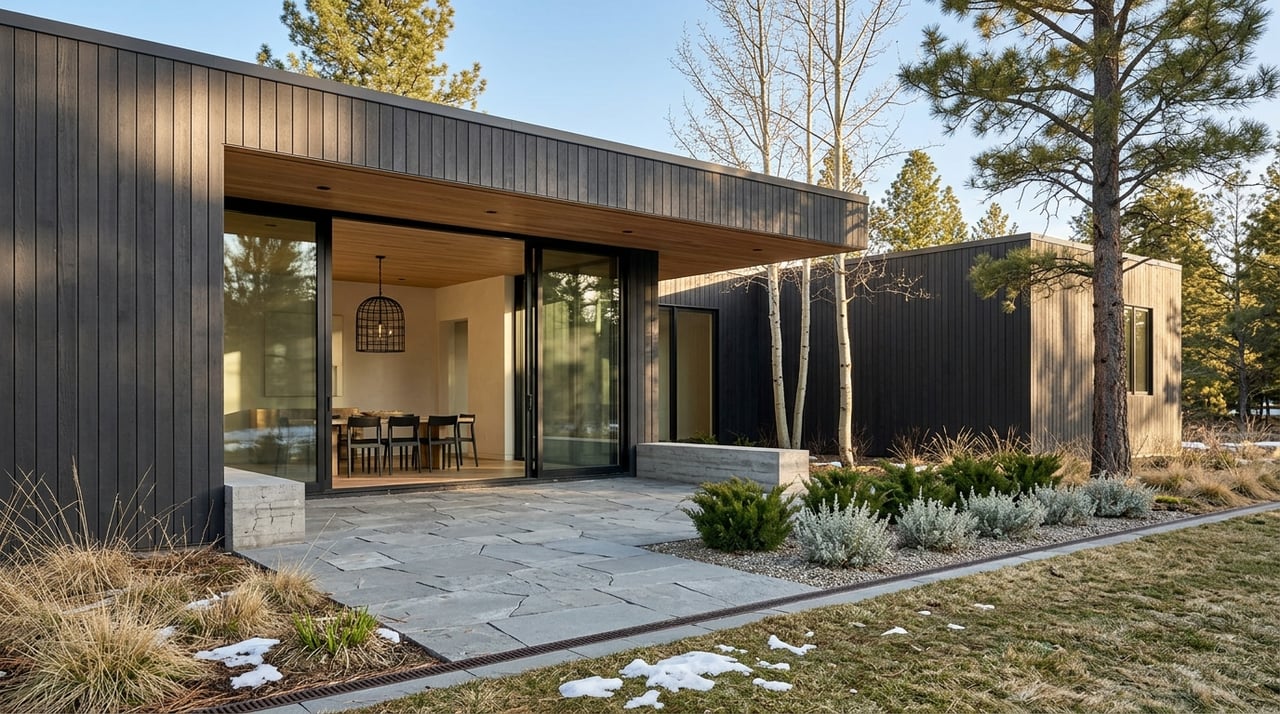
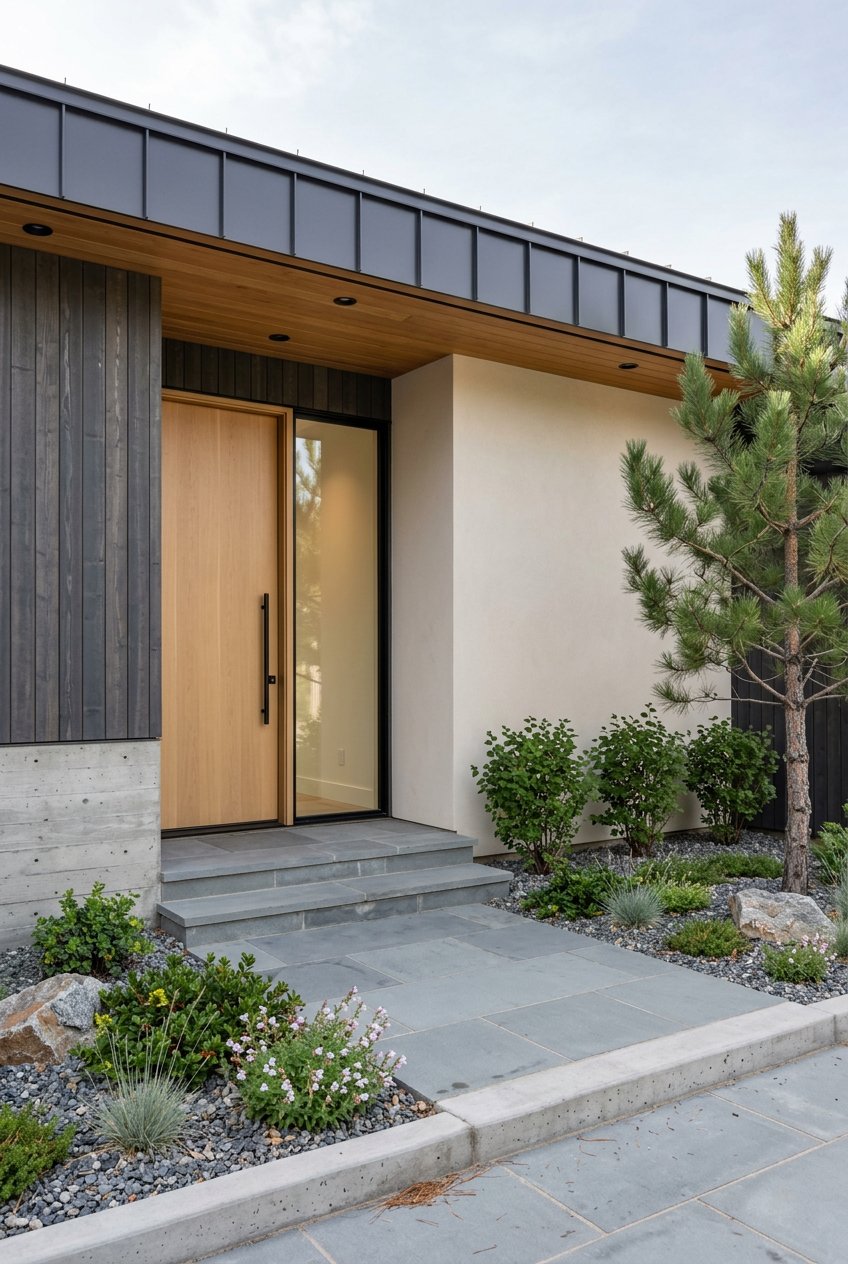
We enjoy being able to provide the level of expert detail and understanding to our clients that we would expect as a client if we were working through the same process. Whether it be going through the home buying process or listing your home, we look forward to working with you soon!
Ready to start a conversation?
Fort Collins 242 Linden St, Suite 216, Fort Collins, CO 80524 Boulder 1470 Walnut St, Suite 201/202, Boulder, CO 80302 Denver 200 Columbine St, Suite 400, Denver, CO 80206